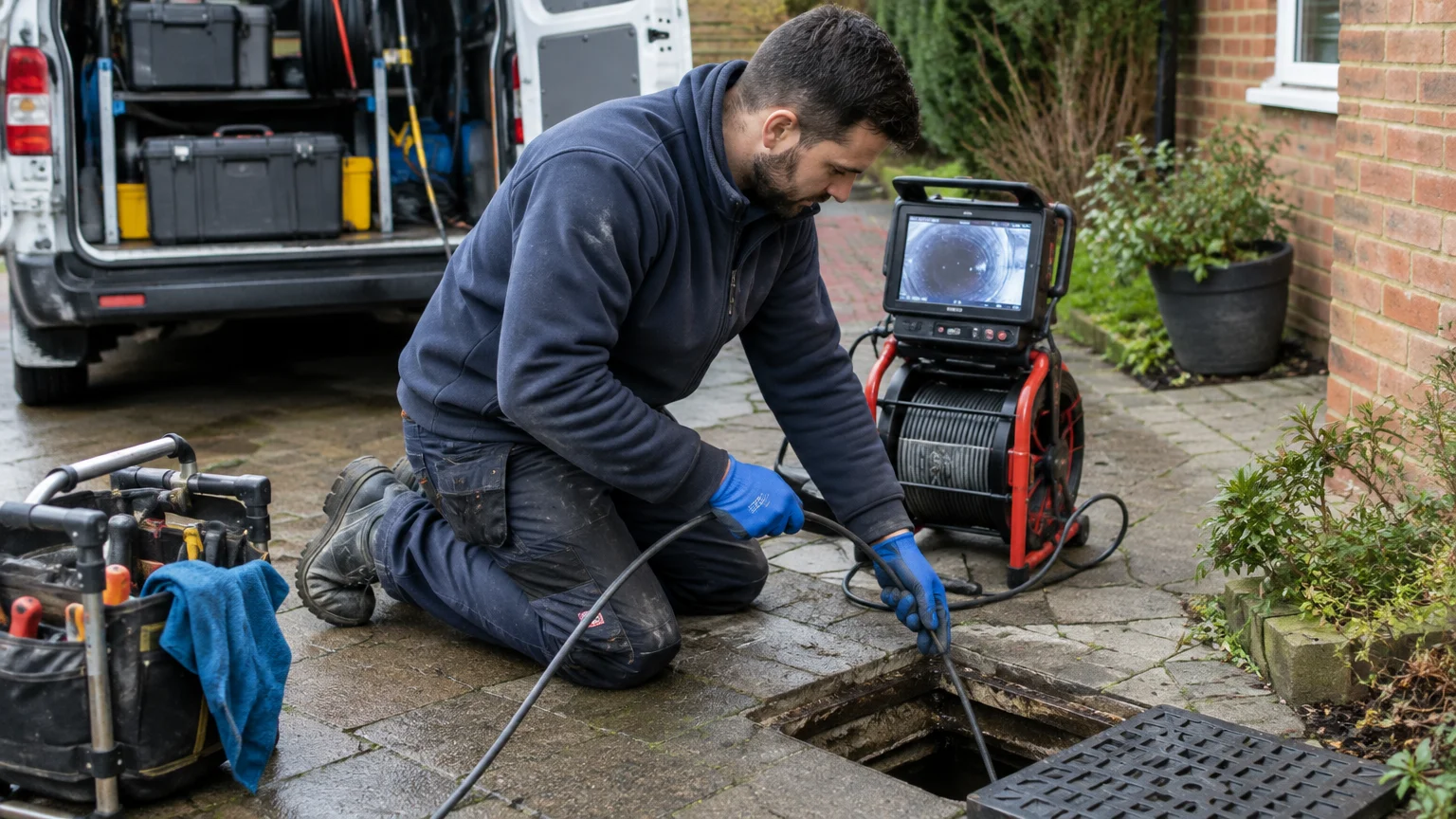
Blocked drain repair helps commercial property owners restore safe drainage after grease, waste, roots, or damaged pipes cause a blockage. The first steps are to stop water use, keep people away from unsafe areas, and arrange a clear inspection. Fast action can reduce odors, leaks, tenant disruption, and damage to floors, walls, and building systems.
What causes blocked drains in commercial properties?
Commercial drains often block because they carry more water and waste than home systems. Tenant activity, food waste, grease, paper products, and foreign objects can collect inside pipes. A blockage may start in one unit but later affect shared lines, restrooms, kitchens, or floor drains across the property.
How do tenant activity, grease, and foreign objects cause blockages?
Grease is a common problem in restaurants, food areas, and shared kitchens. It may enter the drain as a liquid, then cool and stick to the pipe walls. Over time, the open space gets smaller. Food scraps, wipes, paper towels, and packaging can make the blockage worse.
Bathrooms may also block because of too much paper, cleaning products, or items that should never enter a toilet. In offices, stores, and apartment buildings, tenants may not know which items can harm shared plumbing. Clear rules and regular checks can prevent many avoidable problems.
A slow drain is often an early warning. Gurgling sounds, bad smells, standing water, and repeated backups should not be ignored. Property managers can record the location, timing, and pattern of each issue. That information helps a plumber decide if the cause is local or part of a larger building line.
Why do ageing pipes, tree roots, and poor design matter?
Older pipes may crack, shift, rust, or collect heavy buildup. A damaged pipe can catch paper, grease, and other waste more easily. Tree roots may enter small joints or cracks in underground lines. As the roots grow, they can block normal water flow.
Poor drainage design can also lead to repeat problems. Pipes may have weak slopes, narrow sections, poor venting, or connections that cannot handle the building’s use. These issues may affect many tenants at once. Blocked drain repair should address the cause, not only clear the water for a short time.
Temple Texas Plumbing can help property owners review the likely source of a blockage and choose the next step. Local conditions, building age, and property type all affect the inspection. In Temple, older buildings and busy commercial sites may need closer checks of shared drainage lines.
What risks can a blocked drain create for a commercial building?
A blocked drain can interrupt normal building use and cause damage if water backs up. The risk depends on where the blockage sits, how much water enters the system, and how long the issue continues. A slow drain may become an urgent plumbing failure during busy hours or heavy use.
How can blockages affect tenants, customers, staff, and operations?
A blocked restroom or sink can quickly affect tenant comfort and customer trust. Bad smells, standing water, and overflowing fixtures can make a space unsafe. In a restaurant, store, office, or apartment building, part of the property may need to close until the drain is safe.
Water can damage flooring, drywall, cabinets, stored goods, and electrical equipment. Wet areas may also support mold growth if they are not dried soon. A leak below a ceiling, near a wall, or beside equipment needs prompt care. Hidden damage may continue after the visible water is gone.
Property managers should tell occupants which fixtures to avoid. They should also keep access clear for an inspection and record the affected rooms. Photos, repair notes, and tenant reports can show when the problem began and whether it happened before.
When does a drainage problem become a health, safety, or property concern?
A drainage problem becomes more serious when wastewater enters occupied areas. Dirty water can carry germs and should not be touched without proper protection. Occupants should stay away until the source is controlled and surfaces are cleaned safely.
Flooding can create slip risks and damage building systems. If water reaches outlets, panels, appliances, or mechanical rooms, people should keep clear. They should contact the proper emergency services when needed. A burst pipe, sewage backup, or fast leak needs urgent action instead of repeated attempts to clear one fixture.
Commercial insurance, leases, and local rules may also require records of the event and repairs. Property owners should follow their own policies and get qualified advice when major damage or contamination is involved. Plumbing repair should support these duties, not replace them.
How is blocked drain repair handled in commercial properties?
Professional blocked drain repair usually starts with an inspection, not a guess. The plumber checks affected fixtures, nearby lines, and signs of a shared blockage. The repair plan should explain the likely cause, the work needed, and any limits caused by access or hidden pipe conditions.
What should a professional inspection and diagnosis include?
A proper inspection may include fixture tests, access-point checks, drain cleaning, and a camera inspection when the blockage keeps returning. A drain camera is a small tool that sends live pictures through a pipe. It can help find roots, cracks, collapsed sections, heavy buildup, and poor connections.
The plumber may also review maintenance records and ask when the issue started. Repeat blockages in the same area can point to a damaged line instead of normal buildup. A clear diagnosis helps the owner decide if cleaning is enough or if lasting pipe repair is needed.
Simple checks are safe for staff when the issue is minor. Staff can stop using the affected fixture, remove visible debris, and see if another nearby fixture drains normally. They should not open pressurized equipment, enter a confined space, use harsh chemicals in shared systems, or work on damaged underground lines.
How do repair methods differ for offices, retail spaces, and multi-unit buildings?
An office may need a focused repair for a restroom, break room, or floor drain. A retail property may need work planned around customers, stock, and opening hours. A restaurant may need special care for kitchen drainage and grease buildup. The repair should match the building’s use and limit needless disruption.
Multi-unit buildings need a wider review because one shared line can affect several homes or suites. The plumber may isolate a section, inspect common pipes, and arrange access with tenants. Property managers should give clear notices and avoid promising a finish time before the cause is known.
Repairs may range from professional cleaning to pipe replacement or repair. The final cost is confirmed on a quote after the condition, access, urgency, parts, and work scope are known. Small, easy-to-reach blockages are often simpler than damaged shared lines or buried pipes.
Related work may include drain repair, plumbing repair, or water heater repair when other building systems show signs of trouble. These needs should be checked separately so the owner knows which issue affects drainage and which needs another solution.
What should property owners and managers do after a drain blockage?
Property owners and managers should first protect people, limit water use, and arrange a proper assessment. They should not keep using fixtures that feed the blocked line. Quick action can reduce overflow, protect stored items, and help the plumber find the cause before conditions change.
What immediate steps can limit damage?
The first steps should be simple and controlled:
- Stop using affected sinks, toilets, showers, and floor drains.
- Keep tenants, customers, and staff away from standing water.
- Move stored goods and equipment away from wet areas when safe.
- Shut off nearby water only when the correct valve is known.
- Record affected fixtures, rooms, odors, sounds, and visible damage.
- Arrange qualified plumbing help for recurring, severe, or shared-line problems.
Staff should not pour chemical drain cleaners into a commercial system without professional advice. These products may harm pipes, create dangerous fumes, or make later work less safe. A plunger may help with a small fixture blockage, but repeat use without finding the cause can delay needed repair.
How can preventative maintenance reduce recurring drainage problems?
Preventative maintenance means planned checks and cleaning before a failure occurs. Property managers can set rules for grease, wipes, paper products, and other waste. Kitchens may need grease control and regular drain care. Shared buildings benefit from records that show which lines fail and how often.
Managers should also inspect visible cleanouts, floor drains, exposed pipes, and areas with past water damage. They can ask tenants to report slow drains early instead of waiting for an overflow. Drain cleaning, leak checks, and pipe inspections should fit building use and past problems. A single schedule will not suit every property.
Temple Texas Plumbing supports property plumbing needs for owners and managers across the main Temple area. This includes Downtown, Midtown, Canyon Creek, Western Hills, Bird Creek, and nearby neighborhoods. A clear maintenance plan can protect tenant comfort, reduce downtime, and keep small drainage signs from becoming larger building problems.
Key takeaways
- Grease, foreign objects, roots, damaged pipes, and poor design can block commercial drains.
- A slow drain, odor, gurgle, or backup may signal a larger shared-line problem.
- Stop water use and protect people before arranging a professional inspection.
- Simple cleaning may solve a minor blockage, but repeat failures need a full diagnosis.
- Planned maintenance and clear tenant rules can reduce recurring drainage issues.
Frequently Asked Questions
Can a property manager clear a small drain blockage?
A property manager can stop fixture use, remove visible debris, and try a basic plunger on one slow fixture. Chemical cleaners and pipe entry are not suitable for routine staff work. If water backs up, several fixtures are affected, or the issue returns, professional blocked drain repair is safer.
What should someone do if a pipe bursts in a commercial building?
Stop using nearby fixtures and move people away from the water. Shut off the local valve only if it is clearly marked and safe to reach. Protect equipment without entering unsafe areas, record the damage, and arrange urgent plumbing help. Electrical hazards require extra distance and qualified emergency support.
How can a property owner find a hidden plumbing leak?
A hidden leak may show through damp walls, peeling paint, warm spots, musty odors, rising water use, or sounds when fixtures are off. The owner should check visible valves and fixtures without opening walls. A plumber can trace the source with suitable tests before water causes more damage.
How often should commercial drains be checked?
There is no single schedule for every building. Busy kitchens, older properties, and buildings with repeat backups need closer review than lightly used offices. Managers should track slow drains, odors, and past repairs. They can then plan inspections and cleaning around actual use. Early checks help when any warning sign appears.
Conclusion
Commercial drainage problems need a planned response. Property owners and managers can reduce harm by limiting water use, protecting occupants, recording the signs, and finding the real cause. A lasting solution may require cleaning, camera inspection, pipe repair, or changes to building practices.
Temple Texas Plumbing helps property owners with blocked drain repair in Temple. Contact us to arrange professional help for a commercial drainage problem.