The main sewer line clog cost depends on the blockage, pipe condition, access, urgency, and needed work. Simple cleaning is usually less involved than pipe repair or replacement. A licensed plumber should inspect the line, explain the cause, and confirm the final cost in a written quote before work begins.
How Much Does a Main Sewer Line Clog Cost to Fix?
A main sewer line clog may require more work than a blocked sink or toilet. The final amount depends on what caused the clog, where it sits, and which tools are needed. It also depends on whether the pipe needs repair. An inspection and written quote are the best ways to understand the repair costs.
What factors determine the overall repair cost?
Several conditions affect the work. A clog near a cleanout may be easier to reach than one under a slab, driveway, or planted area. A cleanout is an access point that lets a plumber reach the sewer line. Deep roots, heavy buildup, broken joints, and collapsed pipe sections can make the job harder.
Urgency can also affect the work plan. Sewage backups may damage floors, walls, belongings, and indoor air. Keep people and pets away from dirty water. Do not use toilets, sinks, showers, washing machines, or dishwashers until a plumber gives clear advice.
Other factors include the length of the affected pipe, the property layout, and local permit needs. Commercial buildings may have larger lines and more fixtures connected to one system. Older Temple homes may also have older pipe materials or past repairs that need a closer check.
The final cost is confirmed on a quote after the plumber finds the cause and scope. Temple Texas Plumbing helps property owners in Temple understand which repair option fits the line’s condition instead of guessing from symptoms.
How does a main sewer line repair compare with a drain cleaning?
Routine drain cleaning usually handles buildup or a clog in one fixture branch. Main sewer line work handles the larger pipe that carries wastewater away from the property. Because of this difference, main line work is often more involved than cleaning a shower, sink, or toilet drain.
A plumber may first clear the line with professional tools. If the clog returns, a camera inspection can show the cause. It may find roots, cracks, shifted joints, or a collapsed section. Pipe repair or replacement may be needed when cleaning does not restore safe flow.
What Causes a Main Sewer Line Clog?
Main sewer line clogs often come from roots, pipe damage, grease, wipes, heavy buildup, or items that should not enter the system. Some clogs form slowly. Others cause a sudden backup. Finding the cause matters because clearing the pipe may not stop the problem from coming back.
How do tree roots, damaged pipes, and buildup create blockages?
Tree roots can enter small cracks or loose joints in underground pipes. They grow around the opening and catch paper, grease, and other waste. Roots are more common near mature trees, but they can affect many older sewer systems.
Pipe damage can also slow or stop the flow. Shifting soil, ground movement, poor connections, rust, and age may cause cracks or separated joints. A collapsed section can stop wastewater from moving. A camera inspection helps find damage that cannot be seen from inside the home.
Buildup is another common cause. Grease may harden inside a line. Wipes and paper products can collect at weak spots. Even products marked flushable may cause trouble when used often or when the pipe already drains poorly. Toilets should receive human waste and toilet paper only.
Which property conditions make sewer clogs more likely?
Properties with older underground pipes may face a higher risk of leaks, roots, and joint failure. Large trees near the sewer route may also raise the risk of root entry. Low spots in a yard, repeated backups, and past sewer repairs are useful details for a plumber.
Commercial kitchens may send more grease into their waste lines. Multi-unit buildings may have many fixtures using one main line. Recent remodeling, new landscaping, or building work can also affect buried pipes. Property owners should share these details during the inspection.
What Signs Indicate a Clogged Main Sewer Line?
A main line blockage often affects several fixtures at once. Toilets may gurgle, floor drains may fill, or wastewater may return through a tub or shower. One slow sink often points to a smaller branch clog. Repeated or widespread symptoms need a professional check.
How can homeowners distinguish a main line blockage from a single-drain clog?
A single-drain clog usually stays near one fixture. A main sewer problem often causes slow drainage in more than one room. Flushing a toilet may make a nearby shower bubble. Running a washing machine may send water into a floor drain.
Common warning signs include:
- Several drains slowing down at the same time
- Toilets bubbling or making a gurgling sound
- Sewage smells near drains or cleanouts
- Wastewater returning through a tub or floor drain
- Backups that return after temporary clearing
Do not keep testing the system by running more water. This can push wastewater into living areas. A plunger may help with one small fixture clog, but repeated symptoms need a plumber to check the main line.
When do sewage backups require urgent plumbing attention?
A sewage backup needs urgent help when wastewater enters a home, business, or shared building area. Dirty water can carry harmful germs and damage materials that soak up water. Avoid contact, keep children and pets away, and follow local health advice for cleanup.
A blocked line is also urgent when toilets will not flush, drains overflow, or the property has only one usable bathroom. Temple Texas Plumbing serves Temple and nearby neighborhoods, including Downtown, Midtown, Canyon Creek, Western Hills, and Bird Creek. The company provides drain cleaning and emergency plumbing support for serious blockages. An inspection can show whether cleaning or repair is needed.
How Can Homeowners Prepare for Main Sewer Line Repair?
Homeowners can prepare by stopping water use, clearing access to cleanouts, and noting past backups. Do not pour harsh chemicals into a blocked main line. These products may harm people, pipes, or nearby fixtures. They also do not fix damaged sewer lines.
What happens during inspection, cleaning, and repair?
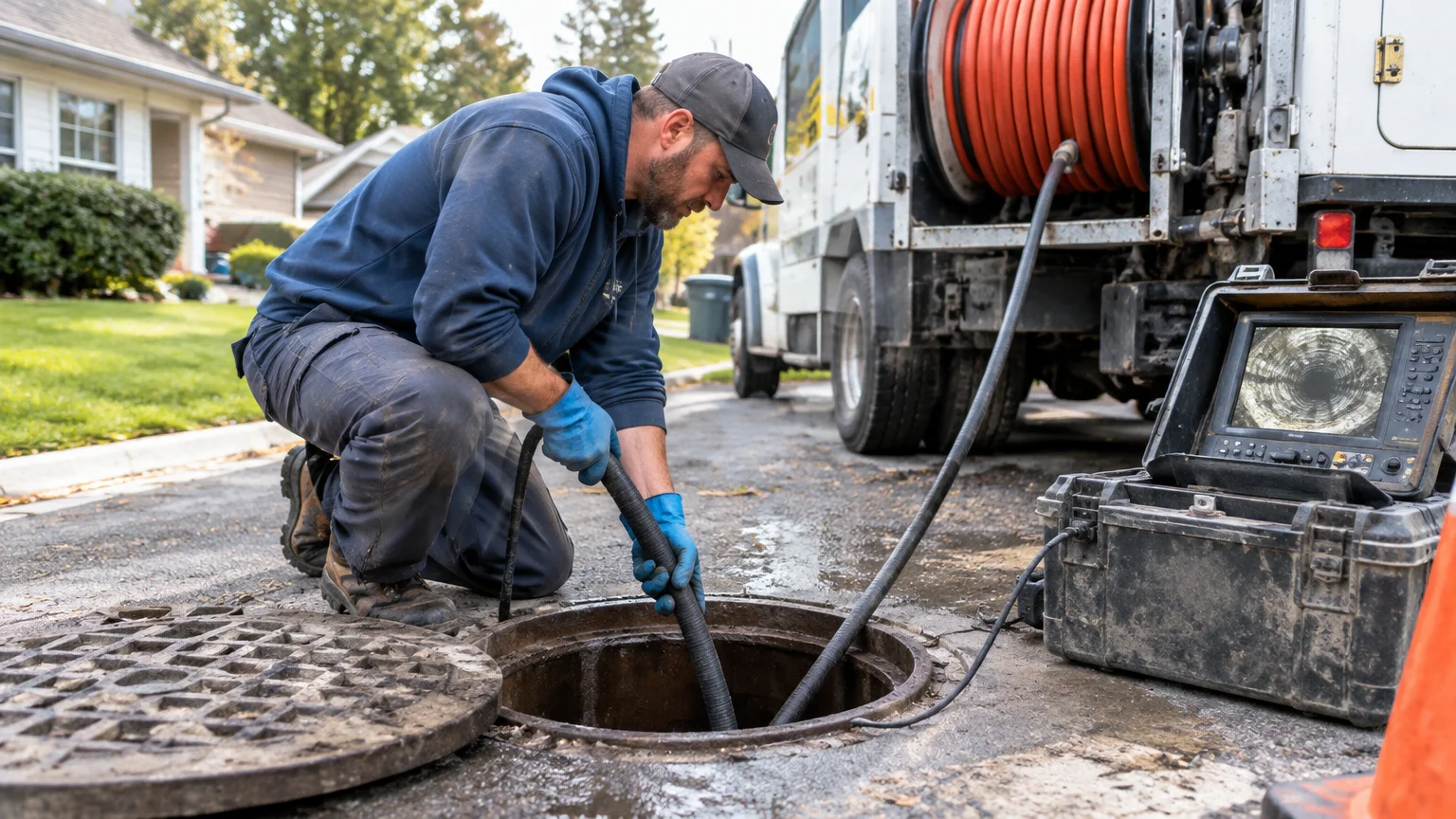
The plumber first asks about symptoms and checks accessible cleanouts and fixtures. The next step may use cable equipment or water jetting, based on the pipe and blockage. Water jetting uses a focused stream of water to remove certain buildup from inside a pipe.
A camera inspection may then show the pipe’s inside. The plumber may find roots, cracks, standing water, shifted joints, or a collapse. If the line is sound, cleaning may restore flow. If the pipe is damaged, the plumber explains repair or replacement choices and confirms the work in a quote.
Before the visit, move items away from cleanouts and note when symptoms began. Tell the plumber about recent digging, tree removal, remodeling, or past sewer work. Tenants should notify the property owner or manager as soon as a backup starts.
How can property owners prevent future sewer line problems?
No maintenance plan prevents every sewer failure. Good habits can still reduce avoidable clogs. Keep grease, cooking oil, wipes, paper towels, and household chemicals out of toilets and drains. Use strainers in sinks and clean them often.
Property owners can ask about periodic camera checks when a line has a history of roots or backups. Watch for slow drainage and odd sounds instead of waiting for an overflow. Landscaping work should account for the sewer route, especially near mature trees.
Key takeaways
- A main line clog affects the shared sewer pipe, not just one fixture.
- Roots, pipe damage, grease, and unsuitable items are common causes.
- Several slow drains or sewage smells can signal a main line problem.
- Homeowners should stop water use during a sewage backup.
- The final cost is confirmed after an inspection and written quote.
Frequently Asked Questions
Is a main sewer line clog an emergency?
It can be, especially when sewage enters the property or several fixtures stop draining. Avoid contact with wastewater and stop using plumbing fixtures until the line is checked. A plumber can decide whether the issue needs cleaning, repair, or added cleanup.
Can a homeowner clear a main sewer line?
A homeowner can remove visible debris from a drain cover and use a plunger on one fixture. Main lines are different. They may need special tools and a camera inspection. Do not dig, use harsh chemicals, or flush again and again. These actions can worsen damage and cleanup needs.
How does a plumber find a sewer line blockage?
The plumber reviews the symptoms, checks cleanouts, and tests drainage. Professional cable tools may clear the blockage. A sewer camera can then show roots, breaks, buildup, or a collapsed section. This helps separate a temporary clog from a pipe problem that needs repair.
Will cleaning prevent another sewer backup?
Cleaning may solve the issue when buildup caused the blockage. It will not fix a cracked pipe, root entry, poor slope, or collapsed section. If backups return, the property owner should request a deeper inspection. The repair plan should address the cause, not just the symptom.
Conclusion
A main sewer line clog can disrupt a home or business quickly. Stop water use, protect people from wastewater, and arrange a proper inspection. The plumber can then explain the cause, compare cleaning and repair options, and confirm the final cost in a written quote.
Temple Texas Plumbing helps property owners understand blocked drains, sewer problems, and related plumbing repairs. Contact us to discuss a suspected main sewer line blockage.