Tank Work
Heater, Well and Backup Tanks
Temple Texas Plumbing fits and fixes the tanks that smooth out a home’s water pressure: expansion tanks beside water heaters, pressure tanks on private wells, and storage tanks for backup or rainwater supply. Trouble announces itself as pressure that swings, a well pump that clicks on and off, a relief valve that drips, or damp fittings, and none of it improves with waiting.
Getting a tank right means matching its size to the system, setting the air pre-charge and plumbing in the correct valves. Storage tanks add a backflow question: the Texas Commission on Environmental Quality calls the garden hose the most common cross connection at a home, and the same care applies to a tank tied into household lines. The work covers homes across Temple, TX.
Services
Water Tank Work, by Type
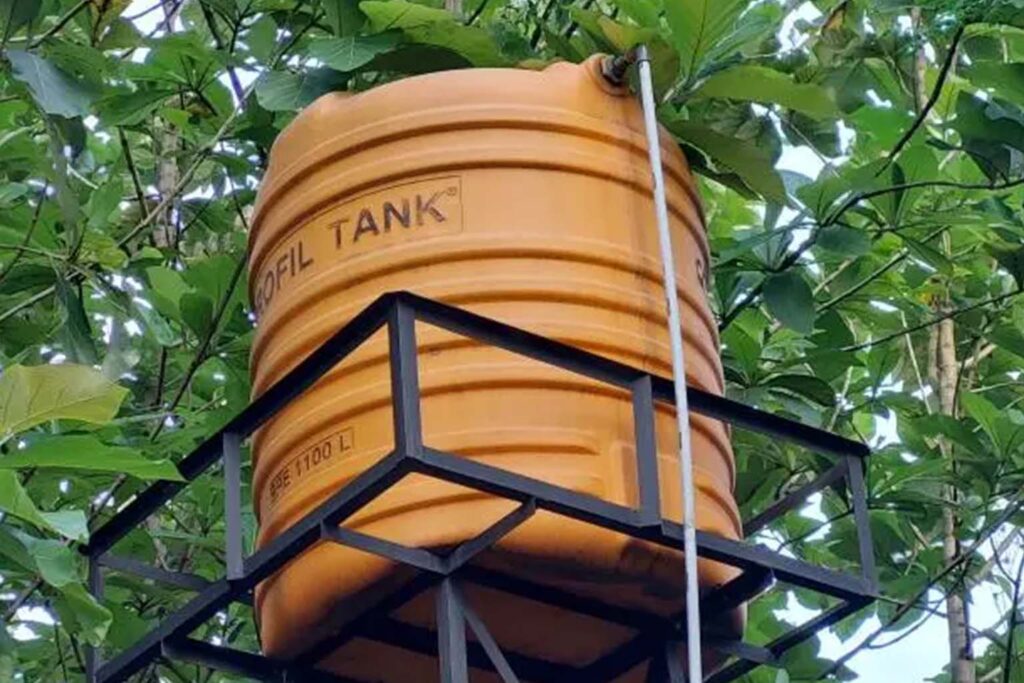
Setting Up a New Tank
Whether it serves a water heater, a pump or the whole household, an expansion, pressure or storage tank is sized to match.
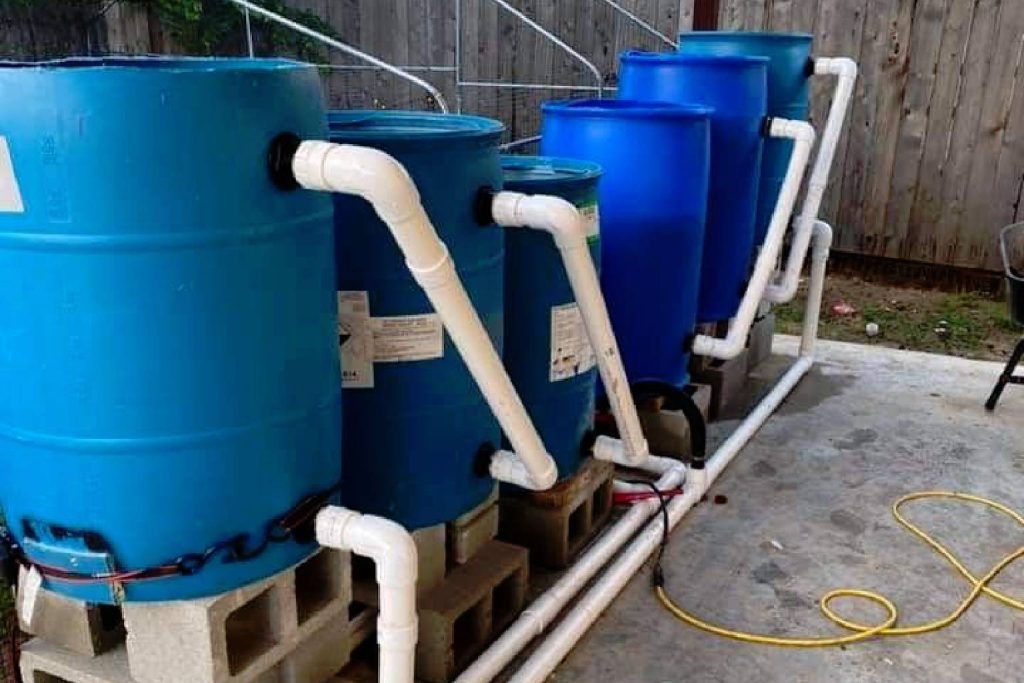
Replacing a Worn Tank
When a tank has rusted, leaks, has lost its air or is simply too small, a better-suited one goes in its place.
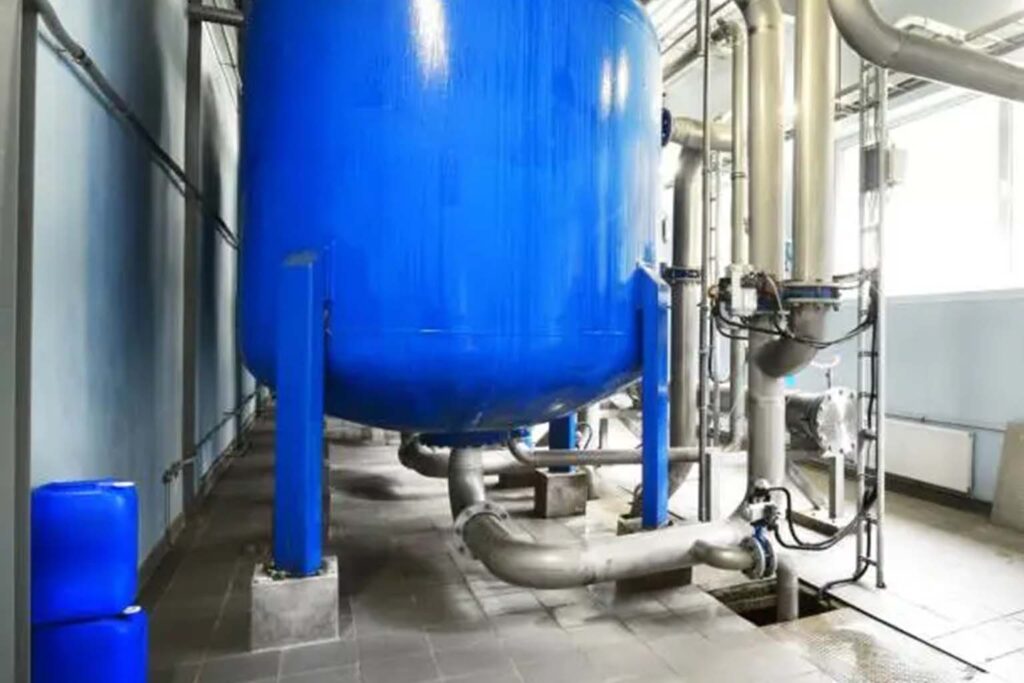
Heater Expansion Tanks
The pre-charge gets measured and corrected, a spent tank is exchanged, and a valve that drips whenever the heater runs is traced to its cause.
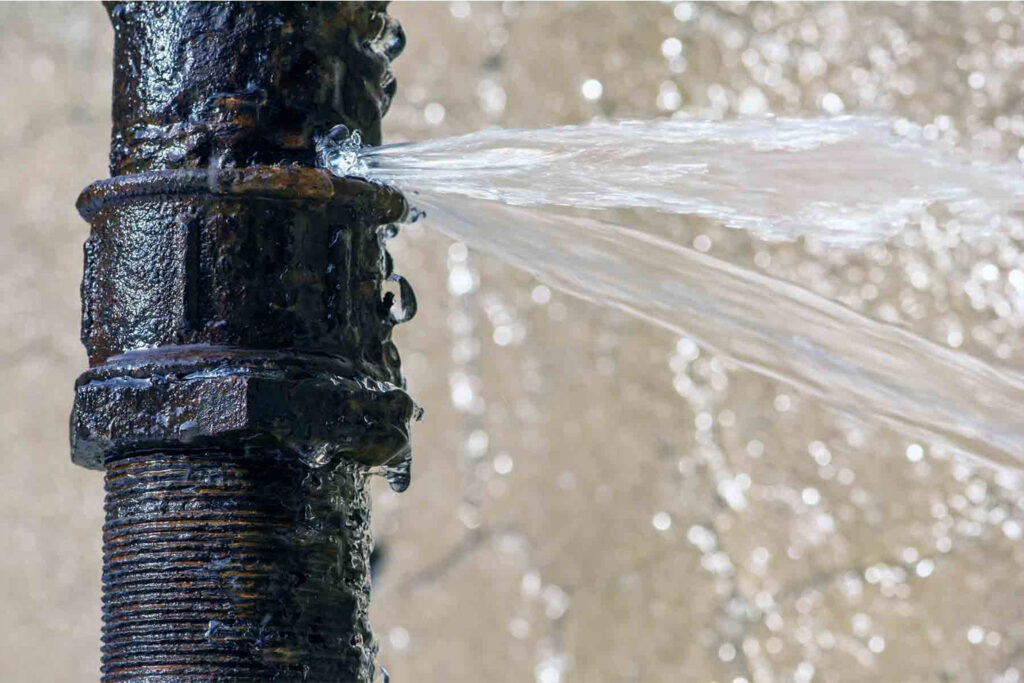
Leaks and Seepage
Seepage at the tank shell, supply and discharge fittings or valves is repaired before it soaks flooring or drywall.
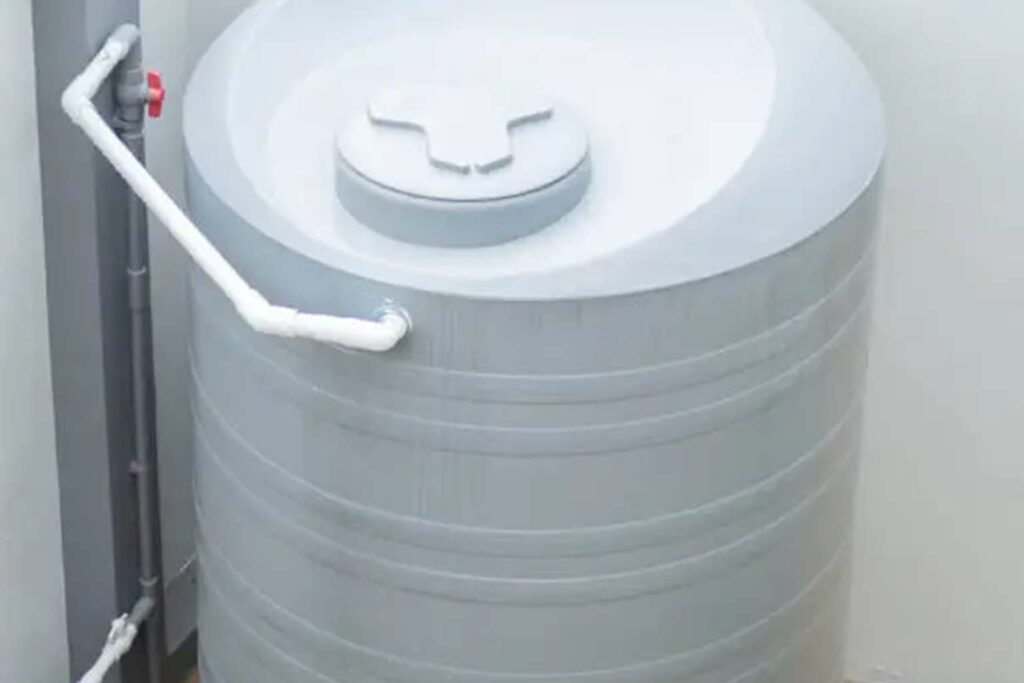
Troubleshooting Well Tanks
Waterlogged tanks, off-target pressure-switch settings and pumps that short-cycle are corrected before they burn out the pump.
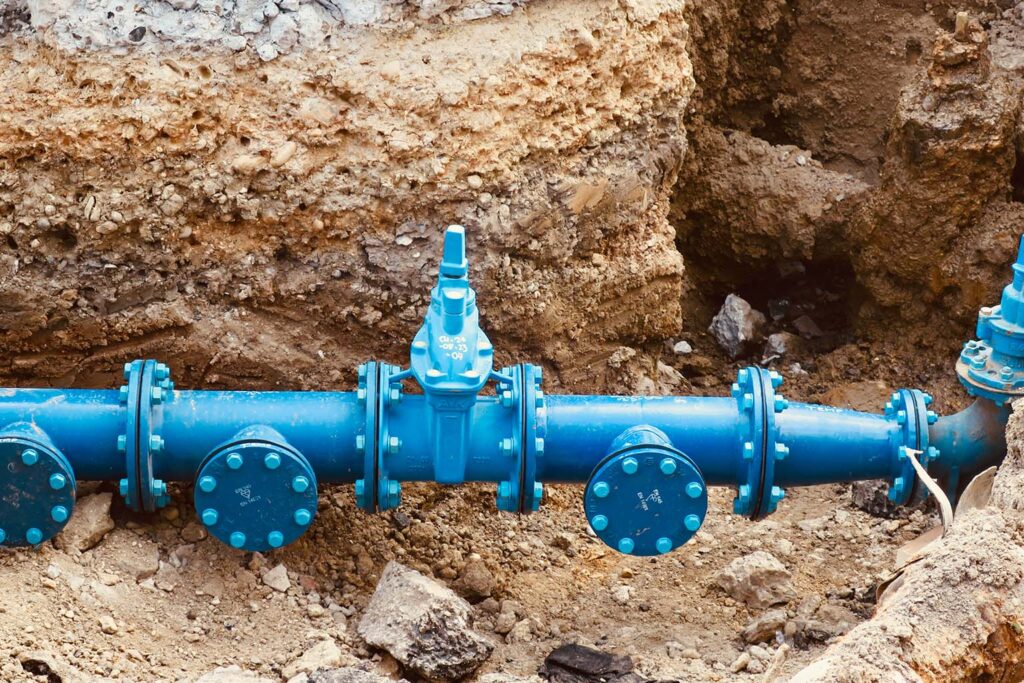
Plumbing Around the Tank
Corroded pipe stubs, worn shut-off valves, gauges and supports around the tank get replaced.
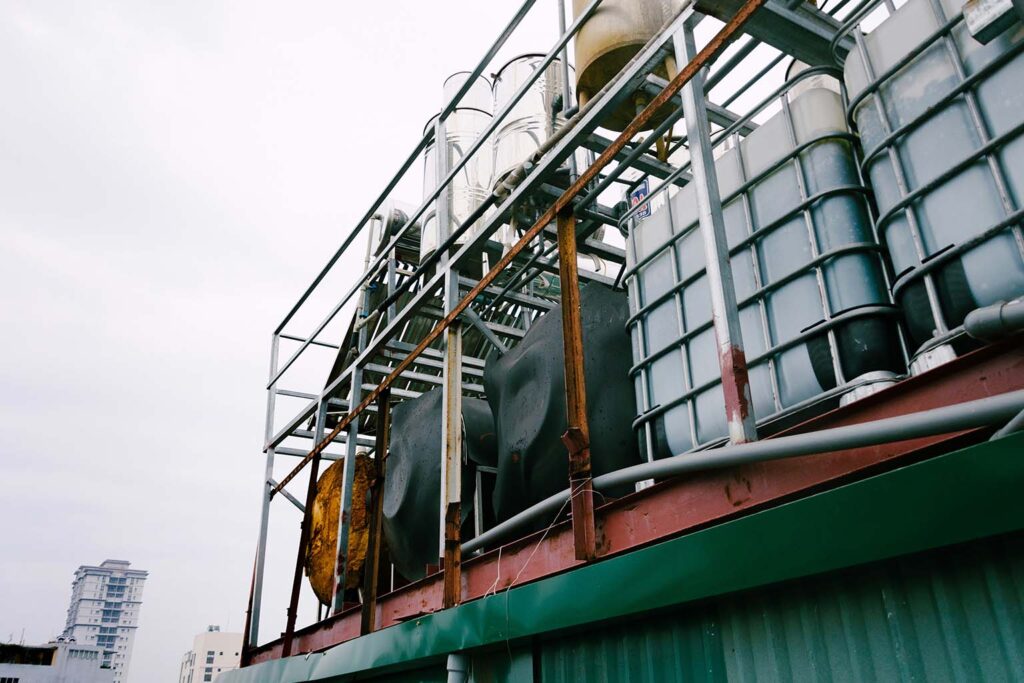
Hooking Up Storage Tanks
Rainwater or backup tanks join the house system through pumps, filters and backflow devices suited to the layout.
What to Look For
Water Tank Work Handled by Temple Texas Plumbing

Followed to Spec
Sizing, mounting and hookup should follow the manufacturer’s installation instructions, with the system tested before the plumber leaves.

Local Knowledge
The focus is homes in and around Temple, TX, on city water and on private wells with pressure tanks.

Root-Cause Repairs
A failed expansion tank or a worn-out well tank gets the same treatment: find what broke, then fix that.

Plain Guidance
Guidance on which tank size and style suit your heater, your well or your storage plan.

Tidy Job Sites
Ask how floors will be protected and what cleanup to expect when the tank work is done.
Pressure problems rarely fix themselves; sound plumbing care starts with finding the real fault and answering it.
Symptoms
Water Tank Problems That Come Up Often
- Seeping tank seams or fittings
- Moisture at the heater's relief valve
- Faucet flow that surges then sags
- Pump that starts and stops every few seconds
- Tank shells rusting through
- Tank with no air cushion left
- Hammering in the lines
- Expansion tank sized wrong or spent
- A tank that can't hold pressure
If a tank is behind the trouble in your house, finding the cause is the first step.
Where to find us here
Where Water Tank Work Gets Done in Temple, TX
Tank work is available throughout:
Questions People Ask
Water Tank Questions
Why add an expansion tank?
Warm water occupies more space than cold. If a check valve or pressure reducer seals the plumbing, nowhere exists for the added volume to go, so pressure builds on the pipes, valves and heater. An air cushion in the tank absorbs that growth and stops the relief valve from dripping.
What are the symptoms of a spent expansion tank?
Try a quick tap test: a healthy tank rings hollow in its upper half and goes dull lower down, while a waterlogged one is dull from top to bottom. Also look for a weeping relief valve, pressure that spikes as the heater runs, or water at the tank’s air valve.
How does a failing well pressure tank behave?
Watch the pump: if it starts and stops every few seconds while water runs, the tank is short cycling, usually because its air charge is gone. Gauge needles that bounce, flow that pulses at the faucet, and rust or moisture on the shell all back that up.
What makes the heater's relief valve drip?
Heat raises pressure in a closed system, and if no working expansion tank absorbs it, the temperature and pressure relief valve opens a little with each heating cycle. A worn valve can also drip by itself. Get it looked at either way, because that valve is a safety device.
What lifespan can a pressure tank reach?
How long a tank survives hinges on water chemistry, how the pressure is set and how often the pump starts. Testing the air charge now and then and curing short cycling early do the most to extend it.
Can a homeowner swap the tank alone?
Draining lines, matching the air pre-charge to line pressure and making leakproof joints is a lot to get right, and a slip can flood a utility room. If you hire it out, verify the plumber with the Texas State Board of Plumbing Examiners, which issues four plumbing license types.
What sizing rules apply to expansion tanks?
Two numbers decide it: the heater’s capacity and the pressure coming into the house. A plumber checks both and chooses accordingly. An undersized tank leaves pressure climbing, and an oversized one is money spent on volume you don’t need.
Does a new heater call for an expansion tank?
If a check valve or pressure-reducing valve closes off the main line, thermal expansion has nowhere to go, and you will usually want a tank; many codes call for one when a heater goes in. A plumber can look at your setup and tell you.
Why is the well pump kicking in every few seconds?
Fast cycling points to a pressure tank that has lost its air charge or has a ruptured bladder, so it can’t hold pressurized water in reserve. A bad pressure switch can do the same thing. Let it go on and the pump wears out sooner.
Which kind of tank fits my situation best?
Match the tank to the job: bladder tanks for private wells, expansion tanks for heaters on closed loops, polyethylene for storage above ground. With Temple averaging about 36.9 inches of precipitation a year, some owners also collect rainwater.
Why do tank replacements vary in price?
Price follows the tank’s type and size, how hard it is to reach, and whether nearby pipes or valves should be renewed at the same time. Get the scope and the number in writing before work begins.
Is concrete required under a storage tank?
A slab is not mandatory, but the ground beneath must be hard and flat. Big tanks and soft soil do best on poured concrete; smaller ones can sit on tamped gravel or a purpose-made stand. If the base tilts, the shell takes stress and may eventually split.