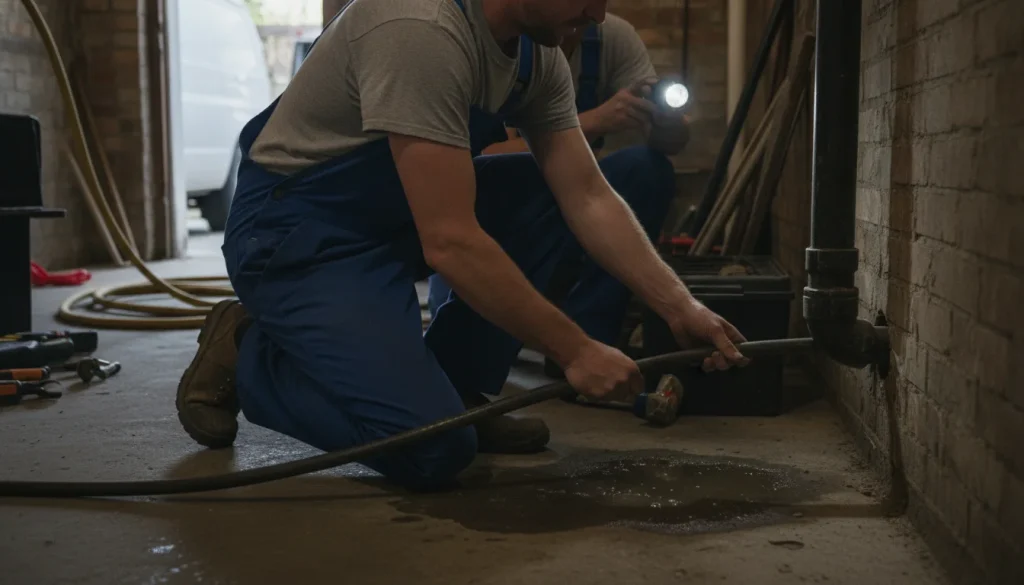
A small Saturday drip can become a Sunday mess if it’s ignored. Basic plumbing repairs are the simple, low-risk fixes you can do with hand tools—like clearing a slow drain, swapping a toilet flapper, or reseating a P-trap washer—and they’re often enough to stop minor leaks fast. Temple Texas Plumbing works across Temple, Texas every week, and this guide explains what’s genuinely DIY-safe, which tools to keep on hand, and when to pause and call a licensed plumber.
Executive summary: This educational guide shows homeowners in Temple, Texas how to handle essential, low-risk plumbing tasks without opening walls or touching gas lines, while recognizing clear red flags that require professional help. You’ll learn practical steps for drains, faucets, toilets, and disposals, plus preventive habits that help avoid clogs and backups.
Key Takeaways
- Basic plumbing repairs cover simple, tool-based fixes that don’t disturb walls, main drains, or gas lines.
- Safety first: shut off water at the fixture, stage a bucket and towels, and wear gloves/eye protection for drain work.
- Clear most slow drains with plunging, trap cleaning, or a hand auger—skip harsh chemicals.
- Running toilets often need a flapper swap or a quick fill-valve adjustment.
- Stop and call a pro if multiple fixtures back up, sewage appears, or you smell gas.
Table of Contents
- Before You Start: Safety, Scope, and Legal Considerations
- Tools and Materials: A Starter Kit for DIY Fixes
- Clearing Slow and Clogged Drains Without Harsh Chemicals
- Stopping Faucet and Sink Leaks the Right Way
- Running Toilets and Minor Leaks: Fast, Reliable Fixes
- Garbage Disposals, Odors, and Under-Sink Drain Care
- Preventive Maintenance and When to Call a Plumber
Before You Start: Safety, Scope, and Legal Considerations
Basic plumbing repairs are straightforward tasks that don’t involve opening walls, altering gas lines, or changing the home’s main drain system. Think clearing a trap, reseating a gasket, replacing a toilet flapper, or swapping a faucet aerator—simple fixes that rely on hand tools and careful steps to stop drips and protect finishes.
Put safety first. Water damages cabinets and floors quickly, so shut off water at the fixture valve before removing parts and confirm by opening the tap. Stage a bucket and towels under any trap, and wear gloves and eye protection for drain cleaning. Never mix cleaners, and don’t pour chemicals into a disposal or a toilet.
Know your limits. Don’t open a water heater, cut pipe, or touch any gas line. Gas work requires a licensed professional. If you notice a rotten-egg odor, leave immediately and contact your utility. If you smell sewage from multiple drains or see water rising from a floor drain, pause DIY and call Emergency Plumbing. Sewage exposure carries health risks and might indicate a blocked main sewer.
Permits are common for major work such as repiping, water heater replacements, or sewer line repairs—these are not DIY categories. Many cities and states require licensed pros for that scope. When uncertain, contact your local building office. Small tasks like flapper swaps or aerator cleaning typically don’t need permits.
Stop immediately if you encounter sparks, rapidly wet drywall, bulging ceilings, or water near outlets. Close the home’s main shutoff for any burst, open a faucet to lower pressure, and then call a professional. Fast drying helps limit damage once the water stops.
Tools and Materials: A Starter Kit for DIY Fixes
A small kit handles most quick jobs. Keep both a cup plunger for sinks and a flange plunger for toilets. A hand auger (drain snake) reaches hair and soap near the trap. Channel-lock pliers, an adjustable wrench, and a basin wrench make under-sink nuts manageable. A compact screwdriver set and a hex key set complete the basics.
Add a bright flashlight or headlamp for cramped cabinets. Use a utility knife to cut old sealant and tape. A tape measure helps size supply lines. Keep rags and a bucket within reach. A small level ensures traps sit correctly to avoid leaks. Teflon tape (thread seal tape) is essential for sealing threaded joints on supply lines and shower arms.
Stock the consumables that wear out. Keep toilet flappers sized for your brand, plus spare fill valves and tank-to-bowl gaskets. If you know your faucet models, store cartridges or O-rings for those fixtures; a universal faucet repair kit can be a helpful backup. Keep 1-1/4″ and 1-1/2″ slip-joint washers for P-traps on hand.
Other useful supplies include plumber’s putty for sink drains, silicone for select seals, and a mild cleaner for aerators. White vinegar dissolves mineral scale on small parts, while a nylon brush cleans threads without scratching. Short and long braided supply lines for toilets and faucets can save the day if a line fails mid-repair.
Label small bins for washers, gaskets, and screws—tiny parts vanish quickly under a sink. Snap photos before disassembling a trap to match angles and heights on reassembly. Close the drain or use a parts tray so screws don’t disappear down the pipe.
Clearing Slow and Clogged Drains Without Harsh Chemicals
Most slow drains are caused by hair, soap scum, grease, or food particles near the trap. Start with the simple approach. For sinks and tubs, use a cup plunger and block the overflow with a wet cloth to improve force. Fill the basin with a few inches of water, then plunge in short bursts. Repeat until drainage improves.
If plunging doesn’t solve it, inspect the trap. Place a bucket under the P-trap, loosen the slip nuts by hand or with pliers, and remove the trap to clear debris. Clean the trap and the trap arm while you’re there. If slip-joint washers are cracked or flattened, replace them. Hand-tighten first, then add a gentle quarter turn—don’t over-tighten.
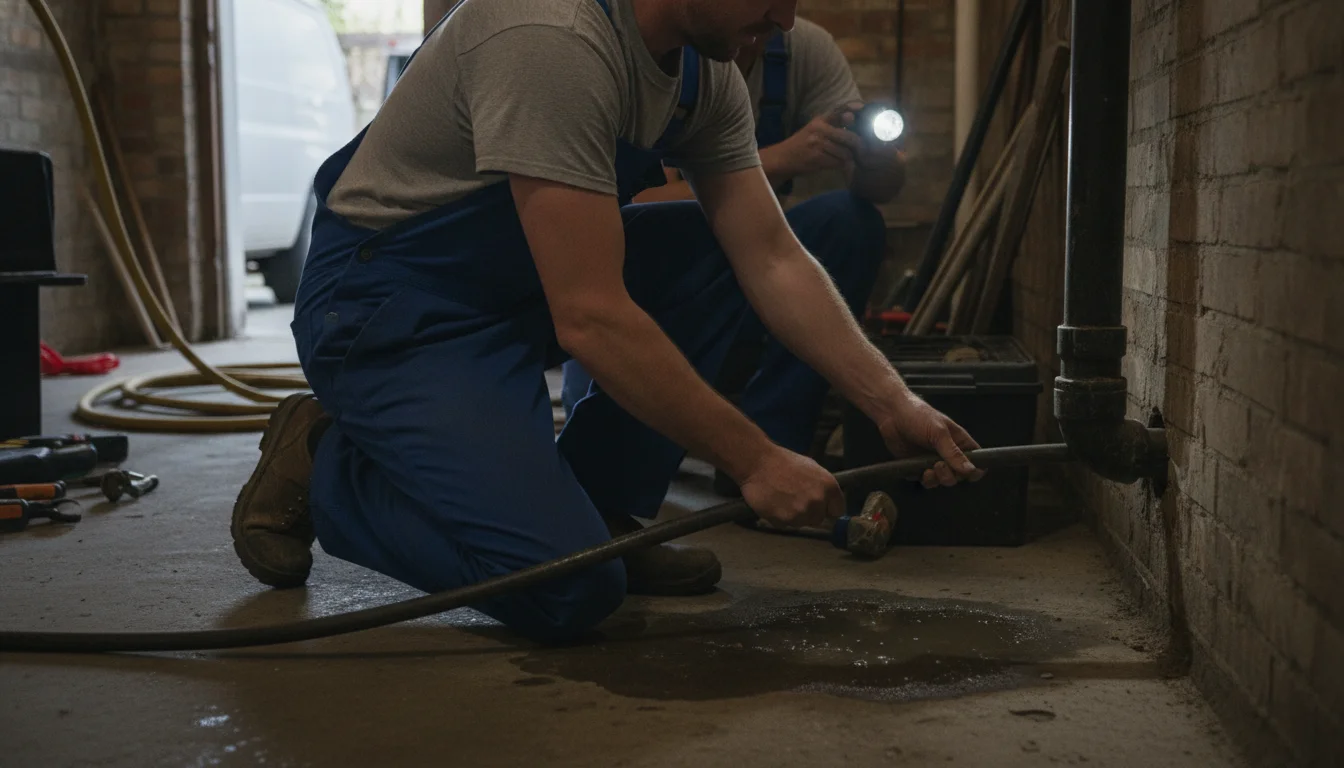
A hand auger helps reach past the trap to the first bend. Feed the cable, crank the handle, and feel for resistance. Turn to break through the clog, then retract slowly and wipe the cable clean. Run hot water to verify full flow. Skip harsh drain chemicals—they can damage pipes, harm disposals, and pose burn risks.
For showers and floor drains, hair and biofilm commonly collect at the strainer. Remove the cover, use a hair hook or small barbed plastic tool to pull debris, and scrub the drain throat with a nylon brush and mild cleaner. Rinse thoroughly. If multiple fixtures gurgle or you see sewage at a floor drain, that’s a strong sign of a main-line issue.
Watch for sewer backup indicators. Repeated clogs across the house, a toilet bubbling when a nearby sink drains, or strong sewer gas odors point to a larger blockage or damage—such as tree roots, breaks, or heavy buildup. At that point, it’s time for Drain Cleaning or Sewer Line Repair by a licensed professional. Don’t keep plunging if sewage is present.
Stopping Faucet and Sink Leaks the Right Way
A dripping faucet wastes water and leaves stains. Begin with the easy check: the aerator—the small screen at the spout. Unscrew it, soak it in vinegar to dissolve minerals, rinse, and reinstall. If dripping continues, the internal cartridge, stem, or O-rings may be worn. Always shut off the water at the valves before opening the faucet body.
Remove the handle to access the cartridge or stem. Identify the brand and model if possible. Pull the part straight out; inspect O-rings for cracks or flattening, and replace with the exact size. A thin coat of plumber’s grease on O-rings helps them seat properly. Reassemble and test; most faucet drips resolve with fresh parts.
Under-sink leaks typically come from the drain assembly or the trap. Gaskets can dry out or shift. To reseal a sink drain, loosen the locknut beneath the sink, lift the flange, and set a small ring of plumber’s putty under it. Reseat the flange and tighten the locknut evenly, then wipe away excess putty.
For trap leaks, verify alignment. The trap arm should slope gently toward the wall. Replace slip-joint washers, orienting the conical side toward the nut. Hand-tighten first, then add a slight turn with pliers. Run water while checking for drips; use a dry tissue on joints to reveal fine leaks. A persistent drip means revisiting the washer or alignment.
Avoid sealants on slip joints—they’re designed to be serviceable. Don’t cross-thread plastic nuts: if tightening feels rough or skewed, back off and realign. Replace any dented or split tailpiece. Small parts are inexpensive and prevent repeat leaks.
Running Toilets and Minor Leaks: Fast, Reliable Fixes
A running toilet wastes water and creates constant noise. A quick diagnostic helps. Place a few drops of food coloring in the tank without flushing. If the bowl water changes color, the flapper is leaking. If water climbs to the overflow, the fill-valve level is set too high. Check the tank’s waterline mark.
Examine the chain. If it’s too short, the flapper won’t seal; too long, and it can wedge under the flapper. Aim for slight slack. Adjust the handle nut if the lever binds. Replace a worn or warped flapper—be sure the size and style match your valve and brand.
To swap a flapper, turn off the supply and flush to drain the tank. Unclip the old flapper from the overflow tube, clip in the new one, and set the chain with small slack. Turn water on and test. If leaking continues, the valve seat may be rough and could require a full flush-valve replacement, which is a larger task.
If the tank overfills, adjust the fill-valve float to the waterline mark. Many floats twist for up/down adjustment. If the valve hisses or won’t shut off, replace it: turn off water, disconnect the supply, remove the retaining nut, lift the valve, and seat the new one. Tighten, reconnect, and test for dry connections.
Minor leaks at tank bolts or the tank-to-bowl gasket can drip down the back. Replace the rubber washers at the bolts and the large doughnut gasket between tank and bowl. Tighten both bolts evenly so the tank sits flat. Don’t overtighten and risk cracking the porcelain.
Garbage Disposals, Odors, and Under-Sink Drain Care
If your disposal hums but won’t spin, it’s likely jammed. Turn the switch off. Unplug the unit or switch the breaker off. Use the hex-key slot underneath to work the motor back and forth to free the jam. Press the reset button on the bottom, restore power, and test with water running.
Never put your hand into the disposal. Use tongs to remove debris. Avoid hard pits, bones, and fibrous peels that can tangle or dull parts. Feed small amounts with cold water on to help scraps move through the trap without melting grease into the line.
Odors often stem from biofilm on the splash guard and in the trap. Scrub the rubber guard with a brush and mild cleaner. Grinding a handful of ice and a light sprinkle of baking soda can scour the chamber. Rinse with cold water. Skip harsh cleaners or bleach mixes—they can damage components and create fumes.
Under-sink leaks commonly start at the disposal gasket, dishwasher inlet hose, or sink strainer. Test with a dry tissue while water runs. Check the top ring of the disposal at the sink junction; if damp, reseat the mounting ring and replace the gasket. For a dishwasher hose drip, tighten the clamp or change the hose.
If odors rise from several drains or a floor drain bubbles, you may have a vent or main-line issue. That calls for a Blocked Drain Plumber. Simultaneous symptoms across fixtures suggest a shared-line problem. Hold off on using the dishwasher or washing machine until a professional clears the line.
Preventive Maintenance and When to Call a Plumber
A simple routine keeps drains in good shape. Each month, soak faucet aerators and showerheads in vinegar to reduce scale. Remove hair from shower strainers weekly. Run hot water after dishwashing to move grease traces along. Keep coffee grounds, fats, oils, and wipes out of drains. Even products labeled “flushable” can clog lines, as many city utilities caution.
Seasonal habits matter in Temple, Texas. Before holidays, consider scheduling Drain Cleaning if you’re hosting a crowd. Test toilet shutoff valves by turning them off and on; replace any that stick. Insulate exposed piping before a freeze. Know the main shutoff’s location and label it—quick action reduces damage during a burst.
Watch for warning signs. Multiple slow drains, strong sewer odors, or water backing up from a floor drain indicate a main-line problem. Gurgling sinks when the washer drains can signal the same. Water stains on walls, warm floor spots, or a sudden jump in the water bill can point to a hidden leak. A persistent musty smell can mean long-term damp.
Some tasks require a licensed expert. Gas work, water heater repair or replacement, and Sewer Line Repair are not DIY. Water heaters involve pressure and scald risks, and gas lines must be installed to code and leak-tested. If you’re wondering, “who installs gas lines near me,” the prudent option is Gas Line Plumbing handled by a licensed plumber. For sewage cleanup concerns, the CDC provides guidance on exposure risks and protective steps; see their wastewater and sewage safety overview for emergencies (CDC).
Temple Texas Plumbing serves homes and businesses across Temple city and greater Temple, Texas. For heavy clogs, sewer backups, or urgent leaks, a trained technician can arrive promptly. Schedule Drain Cleaning or Emergency Plumbing for quick relief, then follow the maintenance steps in this guide to keep your system running smoothly.
Frequently Asked Questions
What should I do first if a pipe bursts?
Turn off the main water valve right away. Open a nearby faucet to release pressure. Move items from the wet area and place buckets under drips. Do not turn on power near water. Call a licensed plumber to repair and to check for hidden damage in walls and floors.
How do I fix a running toilet quickly?
Check the chain length and the flapper seal first. Add a small slack to the chain so it lifts and then drops cleanly. If dye placed in the tank shows color in the bowl, replace the flapper. Set the fill valve to the tank waterline mark and test for silence and a steady level.
Is it safe to use chemical drain cleaners?
Avoid harsh chemical cleaners. They can damage pipes, disposal parts, and seals. They can also splash and burn skin or eyes. Try plunging, cleaning the trap, and using a hand auger. If several drains are slow at once, schedule professional Drain Cleaning to clear the main line safely.
Who installs gas lines near me?
Gas line work must be done by a licensed plumber. This work needs proper materials, tested joints, and code checks for safety. For any new gas appliance, relocation, or suspected leak, book Gas Line Plumbing. Do not attempt DIY gas work. If you smell gas, leave and call your utility.
How often should I clean faucet aerators and showerheads?
Mineral buildup slows water and causes uneven spray. Soak aerators and showerheads in vinegar for a few hours each month, then rinse. This helps flow and reduces splash. If buildup returns fast, consider a water quality check or a new cartridge if flow remains low after cleaning.
Key takeaways
- Basic plumbing repairs are manageable, low-risk tasks using hand tools.
- Start with shutoffs, a bucket, and safety gear before any work.
- Clear clogs by plunging, trap cleaning, or a hand auger—not harsh chemicals.
- Resolve running toilets with quick adjustments or replacement parts.
- Call a licensed pro for gas, water heaters, or suspected main sewer issues.
Conclusion
Small steps solve many plumbing nuisances quickly. Keep a simple tool kit, shut water off before you work, and avoid harsh chemicals. For tough clogs, sewer odors, or leaks you can’t stop, a licensed plumber is the safe call in Temple, Texas. Temple Texas Plumbing is ready to help with Drain Cleaning, Emergency Plumbing, and more. Contact us.