The best way to learn how to choose a toilet is to match it to your bathroom space, rough-in, plumbing, and household needs. Compare bowl shape, seat height, water use, flush power, cleaning, and replacement parts before you buy. These checks help prevent poor fit, leaks, clogs, and hard repairs.
A toilet may look simple, but small details affect daily use. The wrong size may block a door. The wrong rough-in may not line up with the drain. A poor match may also lead to repeat repairs or a difficult installation.
Temple Texas Plumbing helps property owners in Temple understand these choices before fixture work begins. This planning can also help landlords, tenants, business owners, and investors avoid common plumbing problems.
Table of Contents
- What should you consider before choosing a new toilet?
- What types of toilets are available for residential bathrooms?
- How do you choose the right toilet size and rough-in?
- Which toilet height is best for your household?
- How much water should a new toilet use?
- What flushing system should you choose?
- How can you compare toilet flushing performance?
- Which toilet features are worth considering?
- When should you replace a toilet instead of repairing it?
- How do you choose and install the best toilet for your home?
- Frequently Asked Questions
What should you consider before choosing a new toilet?
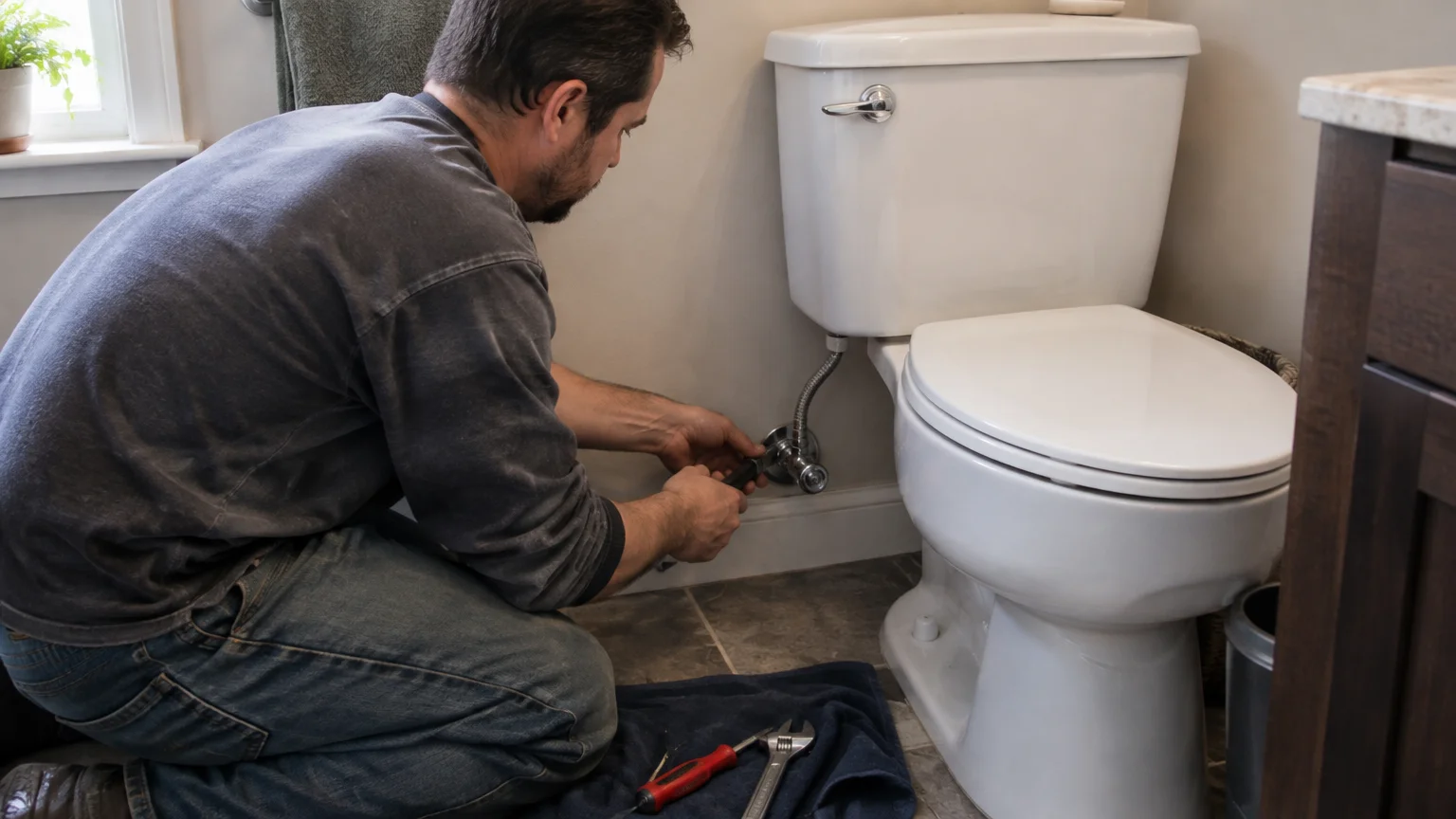
Start by checking the bathroom space and current plumbing. The new toilet must fit the room, connect to the drain, and suit the people who use it. Measure before shopping instead of choosing a model based only on its look.
Measure the bathroom space and existing plumbing
Measure from the finished wall behind the toilet to the center of the floor bolts. This measurement is called the rough-in. It shows which models can connect to the existing drain.
Measure the room from side to side and front to back. Check the space between the toilet and nearby walls, cabinets, tubs, and sinks. Make sure the bowl will not block the door or a nearby drawer.
Inspect the toilet flange before ordering a new fixture. A closet flange is the fitting that joins the toilet to the drain pipe and holds it to the floor. A loose, damaged, or poorly placed flange can cause leaks even when the toilet is new.
Set priorities for comfort, performance, and water use
Think about the main needs of each user. Comfort may matter most in a primary bathroom. Easy cleaning may matter most in a rental. Strong flushing may matter most in a busy family home or business restroom.
The toilet should also match the plumbing system. A gravity toilet works well in many homes. A pressure-assisted model may suit a property where strong flushing is important. It may also make more noise.
Read the maker’s installation guide before buying. It can confirm the rough-in, supply connection, seat fit, and needed space. These checks may prevent a return or a hard installation.
Temple Texas Plumbing can help Temple property owners compare features. Local advice may help when the drain, flange, supply line, or bathroom floor has an unknown past.
What types of toilets are available for residential bathrooms?
The main styles are one-piece, two-piece, and wall-hung toilets. Bowl shape also affects space and comfort. The best type depends on the room, cleaning habits, plumbing layout, and the needs of the people using it.
One-piece, two-piece, and wall-hung toilets
A two-piece toilet has a separate tank and bowl. It is common in American homes and comes in many models. Parts are often easier to find if one piece needs repair.
A one-piece toilet joins the tank and bowl into one unit. It has fewer seams, so cleaning may be easier. It can feel sturdy, but its size and weight may make handling harder during installation.
A wall-hung toilet attaches to a frame inside the wall. The tank is hidden, and the bowl sits above the floor. This can make floor cleaning easier and save visual space. It also needs special framing, access, and parts.
A wall-hung toilet is not a simple swap for a floor model. The carrier frame, drain position, water line, and finished wall must all be planned first.
Round-front, elongated, and compact toilet bowls
Round-front bowls usually take less space from the wall toward the door. They may work well in a small powder room or older bathroom.
Elongated bowls are longer and often provide more sitting room. Many adults find them comfortable, but they need more open space in front.
Compact elongated bowls offer some elongated-bowl comfort with less projection. The size varies by model, so check the product drawing before you buy.
Choose the bowl shape only after measuring. A toilet that feels comfortable in a store may not fit beside a door, cabinet, or shower.
How do you choose the right toilet size and rough-in?
The right toilet fits the rough-in and leaves safe room around the fixture. Measure from the finished wall, not the baseboard or an unfinished wall.
How to measure the toilet rough-in
Remove the tank lid and find the floor bolts at the base. Measure from the finished wall to the center of one bolt. Do not measure from trim if the baseboard leaves a gap behind the toilet.
If the toilet is already removed, measure to the center of the drain opening or flange bolts. Record the measurement carefully. A small error may make the replacement hard to fit or leave the tank too close to the wall.
Find the supply line as well. Its position may affect the toilet base, access, and shutoff valve. A hard-to-reach valve can make later toilet repair more difficult.
Some homes have old drain positions, unusual layouts, or uneven floors. A plumber can check these conditions before you buy. This is helpful when a closet flange repair kit may be needed.
Clearance requirements for walls, doors, and nearby fixtures
A toilet needs open space in front and beside the bowl. Local rules may set minimum clearances, and these rules can vary. A local plumbing professional can confirm the rules for the property.
The door should open without striking the bowl or tank. Cabinet doors and drawers should open fully. A shower door should not hit the toilet when it swings.
Check the toilet centerline against nearby walls and fixtures. A crowded room is harder to clean and less comfortable. It may also make use harder for someone with a walker or other mobility aid.
Leave room to remove the tank lid. This matters during fill valve repair, flapper replacement, and other service. A tight tank location can turn a simple repair into a larger job.
Which toilet height is best for your household?
Standard-height toilets suit many children and shorter users. Comfort-height toilets are often easier for taller adults. The best choice depends on body size, balance, mobility, and who uses the room most.
Standard-height and comfort-height toilets
Standard-height toilets sit closer to the floor. They may feel natural for children and may help some users keep both feet planted. They can also work well in a bathroom shared by people of different heights.
Comfort-height toilets have a taller bowl and seat. Many adults find them easier to sit down on and stand up from. They may help older adults and people with knee pain or limited strength.
A taller toilet does not suit every household. Children may find it harder to sit safely. Shorter users may feel less stable. A footstool may help some children, but the fixture should still match the main users.
Seat thickness changes the final sitting height. Compare the toilet height with the planned seat before choosing. Include the seat when thinking about comfort and mobility.
Accessibility and mobility considerations
A bathroom for someone with limited mobility needs more than a taller toilet. The user may need transfer space, grab bars, a clear path, and an easy-to-reach flush control.
Do not place the toilet where a person must twist sharply to sit or stand. Keep the floor stable and dry. A qualified professional can review the layout before replacement work starts.
A tenant should ask the property owner before changing the toilet or adding support equipment. A landlord should consider current and future users without blocking required access.
The fixture should also be easy to service. A hidden tank or hard-to-reach shutoff valve can create problems during repair. Good access helps keep service safer over the life of the toilet.
How much water should a new toilet use?
A new toilet should use water wisely while meeting the home’s daily needs. Water use is shown as gallons per flush, or GPF. Lower use may reduce waste, but flush strength still matters.
Understanding gallons per flush and water-efficiency labels
Gallons per flush tells you how much water the toilet uses during one standard flush. This number appears in product details. Compare it with the home’s water goals.
Water-efficiency labels can help compare models. Product details may also show more about water use and flush performance.
A label should not be the only factor. The toilet must also fit the rough-in, feel comfortable, and have serviceable parts. A low-use model that needs repeated flushing may not be a good choice.
Older toilets may use more water than newer models. Replacing an old fixture may improve use and performance. Plan the change with the drain system and household needs in mind.
Balancing water conservation with flushing performance
Water savings work best when one flush removes waste. A weak toilet may need another flush, which reduces the benefit of lower water use.
The condition of the drains also matters. A toilet cannot fix a blocked drain, poor venting, or damaged sewer line. If several fixtures drain slowly, the problem may be deeper than the toilet.
Do not flush wipes, paper towels, hygiene products, or other items that can cause clogs. Even items marked flushable may cause trouble in some plumbing systems.
Choose a water-efficient toilet with the whole system in mind. A professional can help find whether the issue is the fixture, drain, vent, or another part.
What flushing system should you choose?
The main systems are gravity-fed and pressure-assisted. Toilets may also have single-flush or dual-flush controls. The right choice depends on noise, flushing needs, service, and plumbing conditions.
Gravity-fed and pressure-assisted toilets
Gravity-fed toilets use water stored in the tank. Gravity moves the water and waste through the bowl and drain. These toilets are common and familiar to many homeowners.
Pressure-assisted toilets use compressed air to push water through the bowl. They may provide a strong flush and reduce some clog concerns. They can be louder and may use different parts.
Use the correct parts when servicing a pressure-assisted toilet. A standard gravity-tank part may not fit or work properly. Keep the product manual for future repairs.
Match the system to the property. A busy family may want strong performance. A guest bath may need quiet operation. A business may need durable parts and easy access.
Single-flush and dual-flush options
A single-flush toilet has one setting for every use. It is simple and has fewer controls. Many households prefer this because everyone knows how to use it.
A dual-flush toilet has separate settings for liquid and solid waste. This may help reduce water use when users choose the correct setting. The control should be clear and easy to reach.
Dual-flush parts vary by model. Check that buttons, seals, and valves are available before installation. Hard-to-find parts can make later maintenance more difficult.
The flush control should be easy to reach without leaning across the tank. Touchless controls may help some users, but they add sensors and batteries that need care.
How can you compare toilet flushing performance?
Judge flushing performance by tested results, bowl design, drain condition, and normal use. A toilet that looks powerful may perform poorly if installed incorrectly or connected to a restricted drain.
Understanding flush-performance testing and ratings
Makers and testing groups may report how well a toilet removes waste during controlled tests. These results help shoppers compare models.
The Maximum Performance, or MaP, rating is one way to compare tested waste removal. Review current product information. Test results do not replace correct installation.
The rim design, trapway shape, water movement, and flush valve all affect performance. A wider trapway may help reduce clogs, but it must connect correctly to the drain.
Choose a model with clear repair instructions and available parts. A weak flush may come from blocked rim holes, low tank water, a worn flapper, or a failing fill valve.
Features that help prevent clogs and repeat flushing
A large trapway, smooth passage, and good flush may help move waste. These features cannot prevent every clog. Users must still flush only suitable waste and paper.
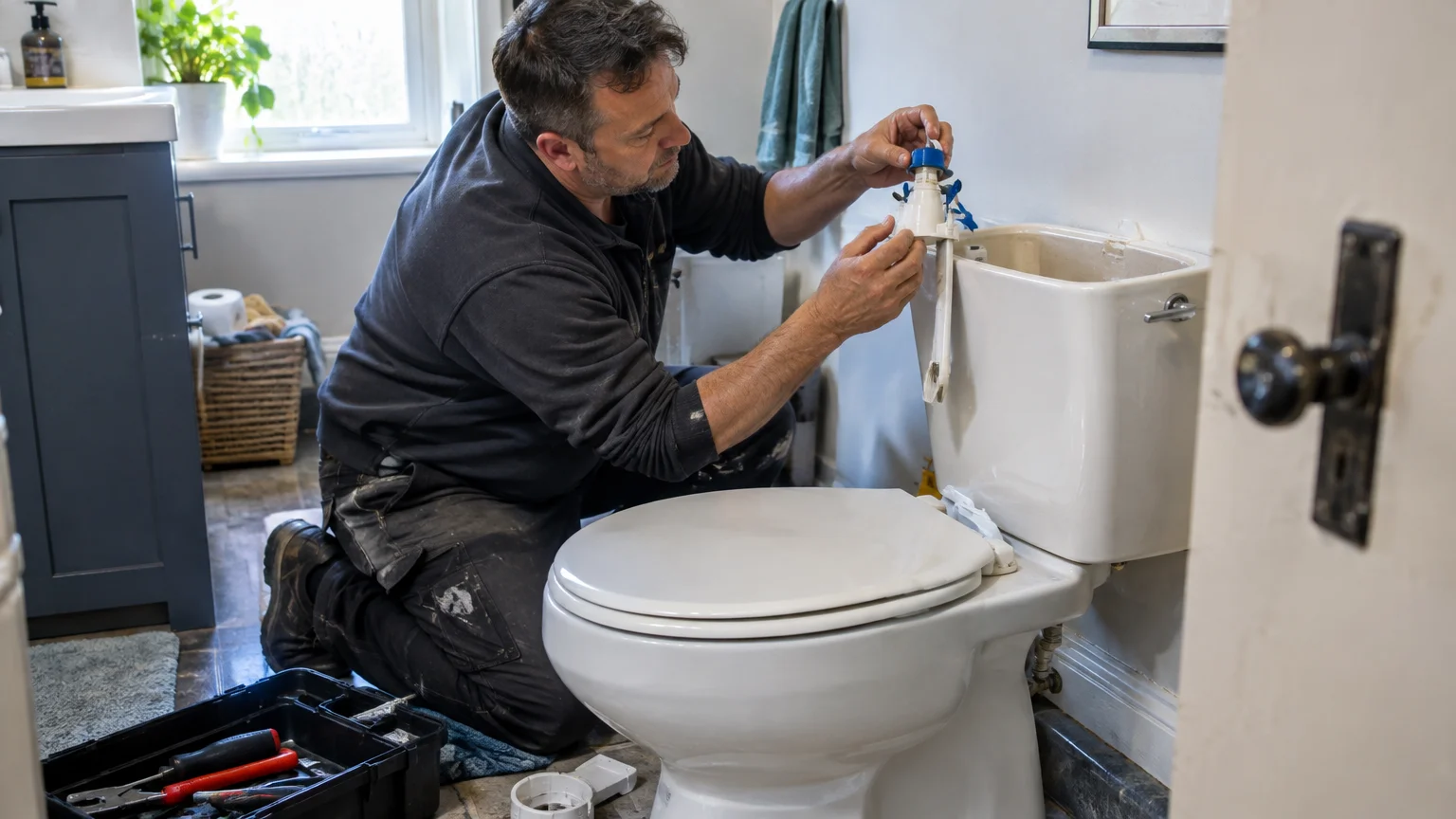
A toilet that keeps running may have a worn flapper, bad fill valve, or handle that does not reset. Homeowners can check whether the handle moves freely and the flapper closes. Shut off the water before removing tank parts.
A homeowner may handle simple diy toilet repair when the part and cause are clear. To repair a toilet fill valve, shut off the water and drain the tank first. If the valve will not close or the supply leaks, professional help is safer.
Toilet bowl fill valve repair is not always the right answer. The running problem may come from the flapper or overflow tube. If the cause is unclear, a toilet repair professional can test the parts.
Which toilet features are worth considering?
The best features solve a real need. Do not choose complex parts only because they look modern. Check comfort, cleaning, repair access, and replacement parts.
Quiet-close seats, bidet functions, and touchless flushing
A quiet-close seat can reduce slamming and protect the toilet and nearby walls. It should fit the bowl and have hinges that are easy to clean.
Bidet features may improve hygiene and comfort. They need a suitable water connection. Some models also need a safe electrical connection. Work near water should follow local rules.
Touchless flushing can reduce contact with the handle. It may use batteries, sensors, or a power connection. The sensor must be cleaned, and the power source may need replacement.
These features can help, but a basic toilet with reliable parts may suit a rental, guest bath, or property with limited maintenance support.
Ease of cleaning, replacement parts, and long-term maintenance
A smooth one-piece toilet may have fewer places for dust to collect. A skirted base may make floor cleaning easier. It may also make bolt access harder during service.
Choose a seat that can be removed without harming the bowl. The tank should give access to the fill valve, flapper, and flush valve. These parts wear out and should not be hidden behind permanent finishes.
Keep the model number and installation guide. They help identify the right flapper, fill valve, flush button, seat, and seal. Universal parts do not fit every toilet.
Use a soft brush and mild cleaner for routine care. Do not pour harsh drain chemicals into a toilet. They can harm seals, surfaces, and anyone making a later repair.
When should you replace a toilet instead of repairing it?
Repair usually makes sense when the bowl is sound and the problem comes from a replaceable part. Replacement may be better when the toilet is cracked, unstable, badly stained, poorly matched, or affected by repeat failures.
Signs that indicate replacement may be the better option
A crack in the bowl or tank can let water escape. It may become worse without warning. A loose toilet may point to bad mounting hardware, a failed seal, or a flange problem.
Replacement may make sense when the toilet clogs often after proper use and repair. The cause may involve the bowl, trapway, vent, drain, or sewer line. Find the cause before choosing a new fixture.
A running toilet may need only a flapper or fill valve. Consider the condition of the bowl, tank, and other parts. If several parts fail together, a new toilet may offer better long-term service.
Water near the base needs prompt attention. It may come from a failed seal, cracked bowl, loose supply connection, or condensation. Clean the water and find the source before floor damage spreads.
Plumbing conditions to check before installation
The floor should be stable, and the flange should be secure. The toilet should not rock after the mounting nuts are tightened. Do not over-tighten them because porcelain can crack.
Check the drain and vent when the old toilet had repeat clogs or poor flushing. Replacing the fixture alone may not fix a blocked or poorly vented system.
The water supply valve should close fully and stay easy to reach. A corroded valve may leak when the old toilet is removed. Address the valve before fitting the new supply line.
A business restroom may need stronger fixtures, special clearances, or accessibility planning. Confirm the intended use before ordering a residential model for a busy public space.
How do you choose and install the best toilet for your home?
The best toilet fits the room, matches the rough-in, suits the users, and works well. A checklist can narrow the choices before installation. Professional advice can prevent damage when the floor or plumbing condition is uncertain.
A practical checklist for comparing toilet models
- Measure the rough-in from the finished wall to the center of the floor bolts.
- Check room clearance around doors, walls, cabinets, tubs, and showers.
- Choose the bowl shape that offers comfort without blocking the room.
- Compare toilet height with the needs of children, adults, and users with limited mobility.
- Review water use and performance from product details and trusted testing sources.
- Confirm replacement parts for the flapper, fill valve, flush valve, seat, and tank hardware.
- Inspect the flange, shutoff valve, floor, drain, and vent before fitting the new fixture.
A homeowner does not always need a professional for basic checks, cleaning, and simple upkeep. These tasks are reasonable when the shutoff valve works and the cause is clear. Turn off the water first, drain the tank, and keep the work area dry.
When professional plumbing advice can prevent installation problems
Get help when the toilet rocks, the flange is damaged, the floor is soft, or the supply valve will not close. Help is also needed when water leaks from the base, several fixtures drain slowly, or the toilet is not flushing well after basic repairs.
Professional installation is often safer for wall-hung toilets, bidet seats with electrical needs, unusual rough-ins, and layout changes. The installer can check the connection, seal, level, supply line, and flush operation.
Temple Texas Plumbing offers plumbing guidance for homes and properties around Temple. This includes areas near Downtown, Midtown, Canyon Creek, Western Hills, Bird Creek, and other nearby neighborhoods. A local fixture plumber can help compare options, inspect existing conditions, and plan toilet repair or installation.
Frequently Asked Questions
How do you choose a toilet for a small bathroom?
Measure the rough-in, bowl projection, door swing, and space beside nearby fixtures. A round-front or compact elongated toilet may fit better than a full elongated model. Leave tank access for repairs and enough room for safe cleaning.
How do you fix a toilet that keeps running?
A running toilet may have a worn flapper, wrong water level, stuck handle, or failing fill valve. A homeowner can check these parts after shutting off the water. If the cause is unclear or the shutoff valve leaks, get plumbing help.
What is the difference between a comfort-height and standard toilet?
A comfort-height toilet has a taller bowl and seat. Many taller adults find it easier to use. Children and shorter users may prefer a lower model. Consider balance, mobility, and seat thickness before choosing.
Is a pressure-assisted toilet better than a gravity toilet?
Neither system is best for every home. Pressure-assisted toilets can flush strongly, but they may be louder and use different parts. Gravity toilets are familiar and often simple to maintain. Let the room, users, noise level, and plumbing guide the choice.
Can a homeowner repair a toilet fill valve?
A homeowner may replace a fill valve when the water shuts off fully and the part is easy to identify. Close the supply before draining the tank. Get help when the valve will not close, the connection is corroded, or water leaks during repair.
Key Takeaways
- Measure the rough-in and bathroom clearances before choosing a toilet.
- Match bowl shape, height, and flush style to the people using the room.
- Compare water use with flush performance and access to repair parts.
- Inspect the flange, floor, supply valve, drain, and vent before installation.
- Get professional help for leaks, cracks, repeat clogs, or damaged plumbing.
Conclusion
Choosing a toilet involves more than matching a color or style. The fixture must fit the rough-in, leave enough room, support comfortable use, and work with the property’s plumbing. Water use, flush performance, cleaning, and replacement parts also matter.
Homeowners can handle basic checks, cleaning, and simple upkeep when the cause is clear. A running toilet may need only a flapper or fill valve. Cracked porcelain, damaged flanges, soft floors, hidden leaks, and repeat clogs need a careful inspection.
Temple Texas Plumbing helps property owners make informed fixture choices in Temple. Contact us to discuss toilet selection, repair, or installation needs.