A home plumbing maintenance checklist helps you find leaks, clear early clogs, protect pipes, and spot unsafe problems before they grow. Monthly checks, seasonal care, winter steps, and travel preparation keep water systems working well. Simple tasks are safe for many homeowners, while gas, sewer, and major pipe issues need professional help.
Table of Contents
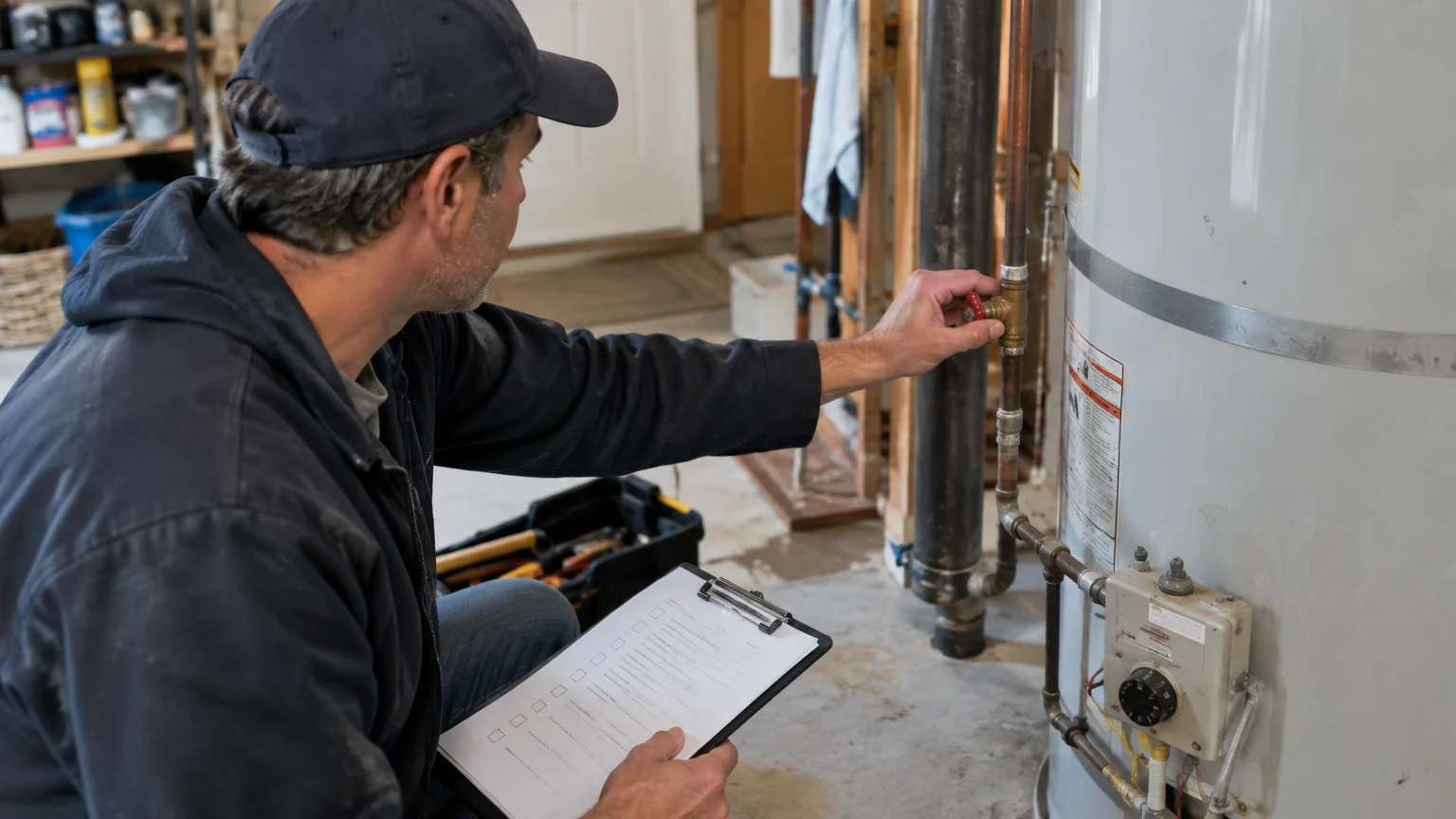
- What should be included in a home plumbing maintenance checklist?
- Which plumbing maintenance tasks should you complete every month?
- What seasonal plumbing maintenance should homeowners schedule?
- How do you prepare your plumbing for winter?
- What plumbing tasks should you complete before going on vacation?
- Which plumbing warning signs require professional attention?
- How can homeowners maintain plumbing systems throughout the year?
- Frequently Asked Questions
What should be included in a home plumbing maintenance checklist?
A useful checklist covers water lines, drains, toilets, faucets, shutoff valves, water heaters, and exposed pipes. It should also include safety checks and clear rules for when to call a licensed plumber. The goal is early action, not major repair work.
How regular plumbing checks prevent larger problems
Small leaks can harm cabinets, floors, walls, and stored items. A slow drain can also show buildup farther inside the pipe. Early checks give you time to clean, watch the issue, or arrange help before water damage spreads.
Look under every sink during a home plumbing maintenance checklist review. Feel the pipes and supply lines for dampness. A musty smell, peeling cabinet surface, or soft floor needs attention. Water marks on walls or ceilings may point to a hidden leak. Temple homeowners should also watch for leaks after heavy storms or long periods of hot weather.
Learn where the main water shutoff valve sits. This valve stops water to much of the property during a burst pipe or major leak. Each fixture may also have a smaller shutoff valve near its supply line. Make sure family members, tenants, or property managers know how to use them.
What tools and safety precautions do homeowners need?
Basic upkeep may need a flashlight, bucket, old towels, gloves, a small brush, and an adjustable wrench. A plunger can help with a simple sink or toilet clog. Homeowners should never force a stuck valve or use tools on a gas connection.
Never mix drain chemicals. They can make dangerous fumes and harm pipes. Do not open a water heater, change gas parts, or work near hidden electrical connections. Temple Texas Plumbing can help Temple residents decide which task is safe to do and which task needs professional care.
Which plumbing maintenance tasks should you complete every month?
Monthly checks should focus on leaks, water flow, drainage, toilets, and shutoff valves. These tasks usually take little time and do not need a professional. They matter most in kitchens, bathrooms, laundry rooms, basements, crawl spaces, and utility areas.
How to check for leaks under sinks and around fixtures
Remove items from under each sink and inspect the cabinet floor. Look for drops, stains, swollen wood, or a damp smell. Check supply lines where they connect to the faucet and wall. Then run the faucet and watch each connection for fresh water.
Inspect the base of each toilet and the area around tubs and showers. A toilet that rocks, leaks at its base, or leaves water on the floor needs attention. Check faucet handles and shower connections for drips. Even a small, steady drip can waste water and harm nearby surfaces.
Check exposed pipes in utility rooms, garages, and crawl spaces. Look for rust, green marks, cracks, or wet insulation. A dry area during one check does not always rule out a hidden leak. Repeat checks help you spot changes early.
What to inspect on toilets, faucets, drains, and water shutoff valves
A running toilet often has a worn flapper, a faulty fill valve, or a wrong water level. Remove the tank lid and listen for constant water flow. Check that the handle returns fully after flushing. Simple parts may be replaced by a careful homeowner, but a continuing problem may need plumbing repair.
For drains, remove visible hair and dirt from strainers. Do not push objects deeper into the pipe. Run water through each fixture and note slow flow, gurgling, or bad smells. Several slow drains may point to a larger blockage.
Turn fixture shutoff valves gently to confirm they move. Do not force them. A valve that will not close can cause trouble during an emergency. Ask Temple Texas Plumbing about Drain Cleaning when clogs return after basic cleaning.
What seasonal plumbing maintenance should homeowners schedule?
Seasonal plumbing maintenance changes with weather and home use. Spring checks focus on leaks and outdoor water lines. Summer checks address heavy use and irrigation. Fall checks prepare the home for cold weather and more indoor activity.
Spring and summer plumbing checks
In spring, inspect exposed pipes, hose connections, outdoor faucets, and sump pump areas. Look for cracks caused by winter weather. Open outdoor faucets slowly and watch for leaks inside the home. A damaged pipe may leak behind a wall when the faucet runs.
Summer can bring more laundry, showers, guests, and outdoor water use. Check that drains handle normal use. Clean faucet aerators if water flow becomes weak. An aerator is the small screen at the end of a faucet. It shapes the stream and catches dirt.
Pool filling, sprinkler use, and outdoor cleaning can place more demand on the water system. Keep grease, wipes, paper towels, and food scraps out of drains. These items can cause clogs in household pipes or the sewer line. This simple maintenance step can also reduce water waste and future plumbing costs.
Check irrigation connections for leaks or loose parts. Watch outdoor water use when no fixture is running. A wet patch in the yard or an unexpected change in water use may need further review. Tenants and property owners should report these signs quickly.
Fall preparation for colder weather
Before cold weather arrives, disconnect garden hoses and drain outdoor faucets. Close indoor shutoff valves for vulnerable outdoor lines when the plumbing design allows it. Inspect pipe insulation in garages, crawl spaces, and other unheated areas.
Fall is also a good time to check the water heater. Look for rust, moisture, odd sounds, or changes in hot water. Tank water heaters may need anode rod replacement over time. An anode rod is a metal part that helps protect the tank from rust.
Water heater problems should not be ignored. Temple Texas Plumbing provides Water Heater Repair for homes and businesses in the main Temple area, including Downtown, Midtown, Canyon Creek, Western Hills, Bird Creek, and nearby neighborhoods. Help may be needed when a system stops heating, leaks, or shows signs of damage.
How do you prepare your plumbing for winter?
To prepare plumbing for winter, insulate exposed pipes, remove outdoor hose connections, and keep vulnerable areas warm. During a hard freeze, let suitable indoor faucets run slightly and open cabinet doors near outside walls. These steps lower risk but cannot fix a damaged or poorly installed system.
How to protect exposed pipes from freezing temperatures
Pipe insulation is foam or another cover placed around a pipe to slow heat loss. It helps most on pipes in unheated spaces, such as garages, crawl spaces, attics, and exterior walls. Insulation should fit firmly without crushing the pipe.
Keep garage doors closed during freezing weather. Do not use open flames, outdoor heaters, or unsafe devices to thaw a pipe. If a pipe freezes, turn off the water supply and open the nearest faucet. This lowers pressure while the pipe warms in a safe way.
A frozen pipe may split before water starts flowing again. Watch for bulges, cracks, or wet areas. If a pipe breaks, shut off the main valve and keep people away from electrical hazards. Then arrange emergency plumbing help.
What to do before a hard freeze or winter storm
Before severe weather, confirm that everyone in the home knows the main shutoff location. Store the valve key or tool where it can be found quickly. Check that outdoor lines are disconnected and exposed indoor pipes have protection.
During a freeze, keep the heat running at a safe setting. Open cabinet doors under sinks on outside walls when safe. Letting a small stream run may help some pipes, but it does not replace insulation or repair.
What plumbing tasks should you complete before going on vacation?
Before leaving, check for leaks, secure fixtures, and decide whether the main water supply should be shut off. The best choice depends on the home, weather, appliances, and trip length. A trusted person should know how to reach the shutoff valve.
How to shut off water and protect your home while away
Inspect sinks, toilets, appliances, and water heater connections before leaving. Check washing machine hoses and the dishwasher line for dampness or wear. A homeowner may shut off the main water valve if the property will be empty for a long time.
If the main water stays on, make sure all taps are closed. Set the water heater according to the maker’s travel guidance. Do not turn off heating during freezing weather unless the plumbing has been fully prepared.
Ask a trusted person to check the property after severe weather. That person should look for leaks, standing water, odd sounds, and loss of heat. Smart leak sensors can send alerts, but they do not replace an emergency shutoff plan.
What to inspect when you return
Open the main valve slowly if it was closed. Check each fixture and appliance connection while water pressure returns. Look under sinks, around toilets, near the water heater, and in any basement or crawl space.
Run faucets briefly and note poor flow, unusual color, or strange smells. Flush toilets and watch for leaks. If water appears where it should not, close the shutoff valve and arrange professional help.
Which plumbing warning signs require professional attention?
Professional attention is needed for hidden leaks, repeated clogs, sewer backups, large pressure changes, gas concerns, and water heater faults. A homeowner can perform basic checks, but unsafe work should not be attempted. Fast action can limit damage.
When leaks, clogs, pressure changes, or water heater issues indicate a larger problem
A single slow drain may respond to careful cleaning. Repeated backups, several slow drains, sewage smells, or gurgling sounds may point to a deeper blockage. Drain cleaning may be needed when a plunger does not solve the problem.
Low water pressure can come from a closed valve, blocked aerator, leak, or larger supply issue. High pressure can strain fixtures and appliances. Sudden pressure changes should be checked, especially when they occur with wet spots or unusual pipe noise.
A water heater that leaks, trips a safety control, makes rusty water, or stops heating needs professional review. Never remove gas covers or bypass safety controls. Temple Texas Plumbing helps property owners with water heater concerns, toilet repair, leak detection, and general plumbing service.
What to do during a plumbing emergency
First, protect people from slipping water and electrical hazards. Shut off the nearest fixture valve or the main water supply if needed. Move valuable items away from the leak when safe. Do not enter flooded areas near electrical equipment.
A gas smell is an emergency. Do not test for a gas leak with a flame, switch, or electrical device. Leave the area and contact the gas utility or emergency services from a safe place. A plumber can inspect related plumbing after the area is safe.
How can homeowners maintain plumbing systems throughout the year?
A simple annual schedule makes maintenance easier. Monthly checks catch small changes. Seasonal checks protect outdoor lines and exposed pipes. A yearly review helps homeowners plan plumbing repair before a failure affects the household.
A practical annual maintenance schedule
Each month, inspect visible connections, toilets, faucets, drains, and shutoff valves. In spring, check outdoor faucets and signs of winter damage. In summer, watch water use, drainage, and irrigation connections. In fall, prepare exposed pipes and review water heater condition.
Before winter, protect vulnerable pipes and confirm the location of the main shutoff. Before travel, inspect appliances and decide how to manage the water supply. After a storm or freeze, check for leaks before normal water use resumes.
Keep a short record of repairs, odd sounds, water pressure changes, and appliance age. This record helps a plumber find patterns. It also helps property owners plan care for rental homes, offices, and investment properties. Good records can make plumbing advice easier to follow and help explain a problem during a service visit.
Key takeaways for preventing avoidable plumbing damage
- Check visible plumbing every month for leaks, stains, dampness, and rust.
- Keep drains clear by limiting grease, wipes, hair, and food waste.
- Protect exposed pipes before freezing weather arrives.
- Know the main shutoff location before a leak or burst pipe occurs.
- Call a professional for gas concerns, sewer backups, hidden leaks, and water heater faults.
Temple Texas Plumbing can help homeowners and property owners review plumbing concerns across Temple. Contact us today for professional plumbing support when a routine check finds a problem.
Frequently Asked Questions
How often should a homeowner check the plumbing?
A homeowner should perform a quick visual check each month and a deeper review each season. The review should cover sinks, toilets, faucets, drains, outdoor connections, exposed pipes, and the water heater. Older homes, rental properties, and homes with past leaks may need closer monitoring.
What should someone do if a toilet keeps running?
Check whether the handle is stuck and whether the tank flapper closes fully. The water level should stay below the overflow tube. If the toilet still runs after simple adjustments, the fill valve or another internal part may need replacement or professional repair.
How can a homeowner check for gas leaks?
A homeowner should never use a flame or electrical switch to check for a gas leak. A rotten-egg smell, hissing sound, or suspected leak requires leaving the area at once. From a safe location, contact the gas utility or emergency services. Plumbing work should wait until the area is cleared.
Should homeowners use chemical drain cleaners?
Chemical drain cleaners are usually not the first choice for routine maintenance. They can harm pipes, create fumes, and injure skin or eyes. A plunger, drain screen, or careful removal of visible debris is safer for simple clogs. Repeated blockages need professional diagnosis.
When should a homeowner call a plumber?
A homeowner should call a plumber for burst pipes, hidden leaks, sewer backups, gas concerns, repeated clogs, major pressure changes, and water heater faults. Professional help is also wise when a repair involves gas, electricity, sealed equipment, or plumbing inside walls.
If you are unsure what you are dealing with, arrange a review before it becomes a larger problem. Contact us to reach Temple Texas Plumbing for help with your home plumbing maintenance checklist.