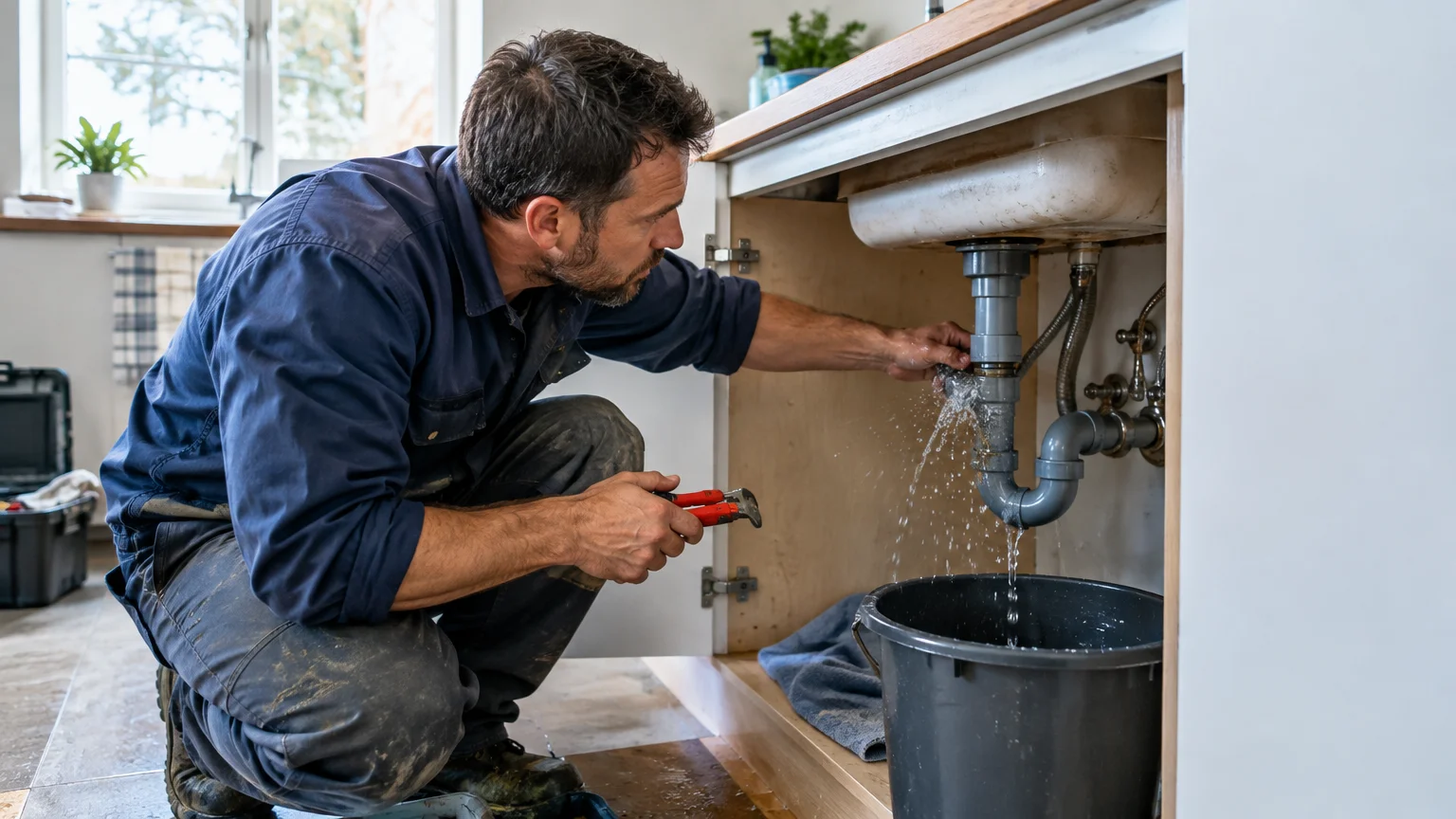
Pipes burst when pressure inside them gets too high or the pipe grows weak. Common causes include freezing, corrosion, high water pressure, clogs, and accidental damage. Understanding why pipes burst helps Temple property owners spot risks, protect their buildings, and respond quickly when a pipe fails.
Why do pipes burst?
Pipes can burst when pressure pushes against a weak or blocked spot. They may also split when their material wears out or gets damaged. The cause can be hard to find because pipes often run behind walls, under floors, or underground.
How can freezing temperatures and pressure changes damage pipes?
Water expands when it freezes inside a pipe, which can make the pipe crack. Plumbing in unheated places is at greater risk, including crawl spaces, garages, and outside walls. A tap that slows or stops during cold weather may mean the line has frozen. Do not use an open flame to thaw a pipe. A flame can start a fire or harm the pipe.
A sudden change in water pressure can also strain pipes and joints. Pressure that stays too high may weaken connections over time. A plumber can check the system and see if a pressure problem needs repair. Temple homeowners can watch for changes in flow and unusual sounds.
How do corrosion, aging, and poor installation lead to pipe failure?
Corrosion is damage that slowly wears away metal. Older copper pipes can develop weak spots as they age and face wear from water and other conditions. Plastic pipes can also crack or fail if they are damaged, lack support, or have poor joints.
Pipe fittings need strong joints to carry water without leaks. Poorly fitted connections may loosen or fail as the system is used. The right plumbing PVC pipes and fittings depend on where a pipe sits and what it carries. Vent pipes also need good support and secure joints. A damaged vent may cause other plumbing trouble, even though it does not carry household water. Temple Texas Plumbing can help find weak pipes and joints before they cause a larger leak.
What other problems can cause pipes to burst?
Clogs, high pressure, vibration, soil movement, and impact can all harm pipes. Some problems start slowly, while others cause a sudden break. Finding the cause matters because fixing only the visible leak may leave the main risk in place. In Temple, changes in a building or its plumbing can also point to a hidden problem.
How can clogs, high water pressure, and water hammer stress pipes?
A clog stops water from flowing as it should. In a drain, a blockage can make water back up and spill from a fixture. A blocked drain does not always burst a pipe, but repeated backups can add stress or point to a problem that needs attention. Drain cleaning can help clear stubborn buildup and restore flow.
High water pressure can strain pipes, fittings, and appliances. Signs may include banging pipes, leaking joints, or taps that send out a strong flow. Water hammer is a sharp bang that happens when moving water stops or changes direction quickly. Loose pipes may make the sound louder, and repeated shocks can harm joints over time.
How can shifting soil, tree roots, and accidental damage break pipes?
Underground pipes and joints can move when soil shifts or settles. Tree roots may grow into a damaged drain through an opening. Roots can then block the line or make the damage worse. Digging, building work, and heavy objects can also crush or puncture buried pipes.
Inside a home, a nail or screw may hit a pipe behind a wall. A leak that starts after home repairs should be checked soon. Low water pressure has several possible causes, such as a leak, a clog, or a problem with the water supply. A licensed plumber can test the system and find the source instead of guessing.
How can you prevent pipes from bursting?
Homeowners can lower the chance of pipe failure with simple checks and basic care. Protect exposed pipes, watch for leaks, and pay attention to changes in pressure or flow. A plumber should check damage, repeat leaks, and pipes that are hard to reach. These steps can help Temple property owners catch risks before they turn into urgent repairs.
What maintenance helps protect pipes from pressure, corrosion, and blockages?
Homeowners can look for damp spots, rust-colored marks, slow drains, and loose pipe supports. They can clear ordinary debris from drain strainers and keep grease or bulky waste out of drains. These simple checks do not need a professional when the work is safe and easy to reach.
Do not open walls, cut pipes, or use harsh tools to clear a deep blockage. These jobs can cause more damage or expose hidden risks. A plumber can check water pressure, worn fittings, and signs of corrosion. Paying attention to small leaks may help stop water from harming floors, cabinets, and walls. For simple upkeep, homeowners can safely clean strainers and keep visible pipes clear.
How should you prepare plumbing for freezing weather or an extended absence?
Before freezing weather, seal drafts near exposed pipes and keep at-risk areas warm. When it is safe, let warm air reach pipes inside cabinets or other closed spaces. If a home will be empty during cold weather, ask someone to check it and make sure they know where the main water shutoff is.
If a pipe freezes, do not keep running water through a line that may be split. Shut off the water if you see a leak, then have a plumber assess the pipe. Homeowners can take these basic steps, but hidden pipes and damaged lines need professional care. Knowing where the shutoff is can help limit damage if a pipe breaks.
Key takeaways
- Freezing, corrosion, high pressure, and physical damage can weaken pipes.
- Banging sounds, leaks, slow drains, and low water pressure need attention.
- Homeowners can do simple checks, but should not cut or heat damaged pipes.
- Learn where the main water shutoff is before a plumbing emergency.
What should you do if a pipe bursts?
A burst pipe needs quick action to limit damage. First, stop the water if it is safe. Move belongings away from the leak, then arrange proper repair. Temple Texas Plumbing serves property owners in Temple who face urgent pipe problems, including leaks that may need burst pipe repair.
How can you limit water damage before a plumber arrives?
Take these steps in order, as long as it is safe:
- Shut off the water. Use the main shutoff valve if the leak is severe or you cannot find its source.
- Stay clear of electrical hazards. Do not enter standing water near outlets, appliances, or electrical panels.
- Move belongings and catch drips. Protect items only when the area is safe to enter.
- Open a faucet carefully. This may drain some water left in the pipes after the supply is shut off.
- Contact an emergency plumber. Explain what is leaking and what steps you have already taken.
Do not touch wet electrical equipment or try to patch a burst pipe with household tape. If water is near electrical systems, leave the area and seek emergency help. Take photos of the damage only when it is safe. A pipe repair should address the cause of the break as well as the visible leak.
When is a burst pipe an emergency that needs immediate professional repair?
A pipe that sprays water, floods a room, or leaks inside a wall needs prompt professional attention. The same is true if the shutoff valve will not stop the flow or water is near electrical equipment. Even a small drip can damage a building if it continues or comes from a hidden pipe. Quick action can help keep water from spreading through the property.
Frequently Asked Questions
What should someone do if a water heater is leaking from the bottom?
A leak at the bottom may come from a fitting, drain valve, or the tank itself. Stay clear of hot water, and shut off the water supply if it is safe. Turn off power or fuel only if the controls are easy to reach and safe to use. Have a qualified plumber find the cause.
How can someone check for a gas leak?
If someone smells gas or thinks there may be a leak, they should leave the building right away. Do not use switches, flames, phones, or appliances inside. Once outside, contact the gas utility or emergency services. Do not try to find the leak or test a gas line yourself.
Can a homeowner fix a toilet that keeps running?
A homeowner can check if the toilet handle is stuck or the tank chain is caught. If the problem continues, the fill valve or flapper may need attention. Shut off the toilet’s water supply if it leaks or will not stop running. Arrange repair if a simple check does not solve it.
Can low water pressure mean there is a pipe leak?
Yes, a leak can lower pressure, but it is only one possible cause. A clogged fixture, a valve problem, or a water supply issue may also reduce flow. Check whether pressure is low at one fixture or throughout the property. A plumber can test the system and find a hidden leak.
A burst pipe can cause serious damage, but quick action may limit how far water spreads. Simple upkeep helps spot risks, while frozen, corroded, or damaged pipes need proper repair. Temple Texas Plumbing can help property owners understand pipe problems and arrange the right next step. Contact us today to arrange help with a burst pipe.
If you are not sure what you are dealing with, it is worth having someone look at it before it turns into a bigger job. Get in touch with Temple Texas Plumbing in Temple, Texas today and we will tell you where you stand.