Plumbing Mistakes can turn small leaks, clogs, and warning signs into serious home damage. Stop water when it is safe, avoid risky quick fixes, and pay attention to changes in pressure, smells, or water quality. Acting early can help limit damage and show when you need expert help.
A small drip may seem easy to ignore. A toilet that keeps running may sound harmless. Yet water can harm floors, walls, and belongings before the problem looks severe. In Temple, knowing what to watch for can help you take calm, safe steps. Temple Texas Plumbing helps local property owners understand when plumbing trouble needs prompt attention.
Table of Contents
- Which plumbing mistakes can lead to major damage?
- What should you do when a pipe bursts?
- Why is ignoring a small leak a costly mistake?
- What should you avoid doing when a drain is blocked?
- How can an overflowing toilet cause preventable damage?
- Why should you never ignore a water heater warning sign?
- How can DIY plumbing repairs make an emergency worse?
- What plumbing warning signs should homeowners watch for?
- When should you call an emergency plumber?
- How can you reduce the risk of future plumbing emergencies?
- Frequently Asked Questions
Which plumbing mistakes can lead to major damage?
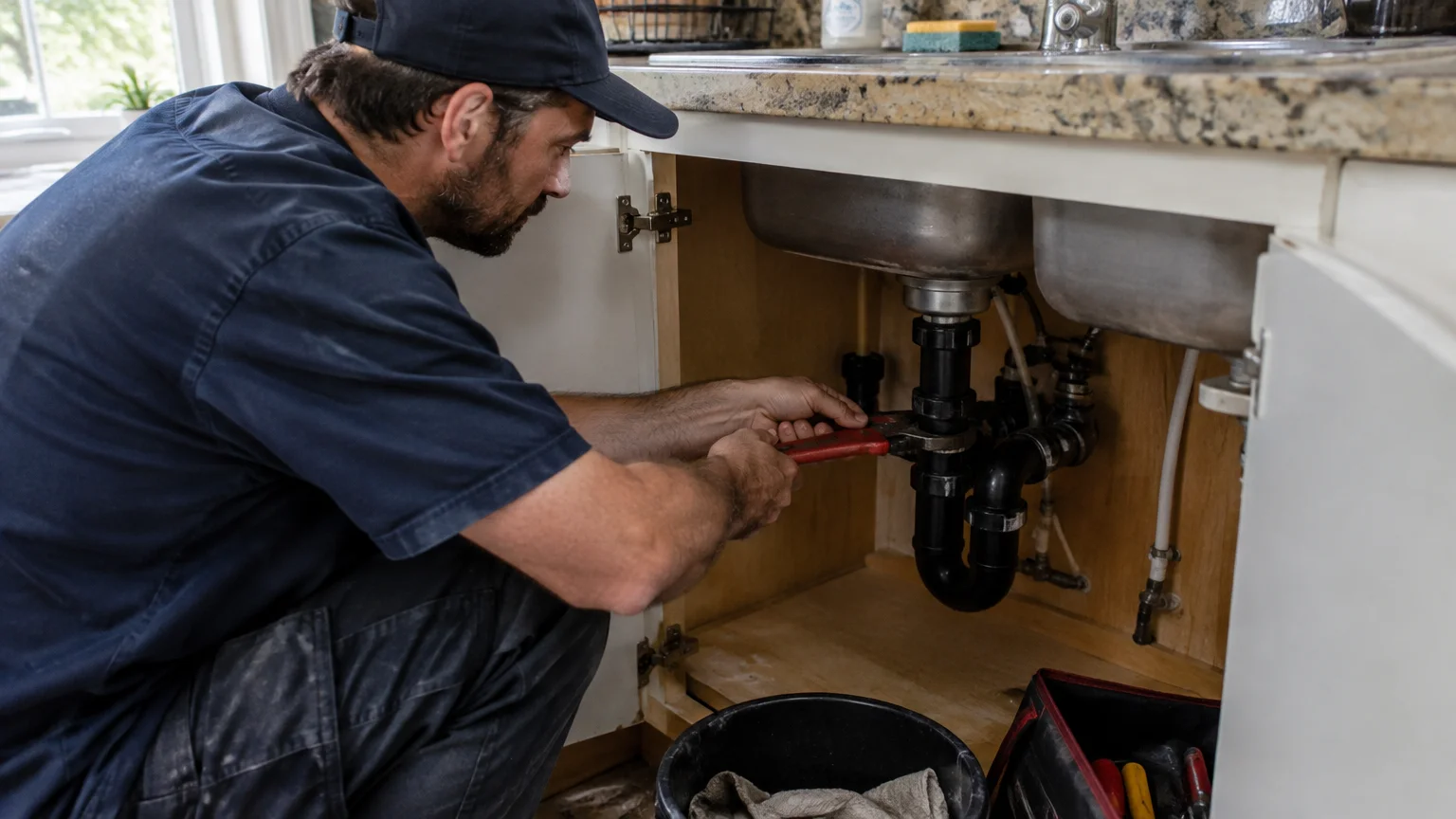
Ignoring a leak, forcing a clog, or waiting during a burst pipe can cause major damage. Water may spread through floors, walls, and cabinets. Acting early can limit water damage and help find the source before the problem grows.
How small problems can become urgent repairs
A loose fitting may drip slowly, while water gathers in a hidden spot. A running toilet may waste water and point to a worn part inside its tank. A drain that slows again and again may have a blockage deeper in the pipe. It is easy to dismiss these signs until water appears somewhere new or a fixture stops working.
Some Plumbing Mistakes happen when people treat only the visible sign. For example, clearing the same sink again and again does not explain why it keeps clogging. A quick patch may also fail when a pipe is cracked or a fitting is under strain. A short-term repair should not hide a problem that needs proper plumbing repair.
Why early warning signs matter
Water can harm drywall, wood, flooring, and stored items. Wet materials may also grow mold if they stay damp. Finding a leak or overflow early gives you more time to stop the water and check the area. Do not wait for a ceiling stain or spreading puddle before taking a warning sign seriously.
Homeowners in Temple can note when a problem began and what changed. That information can help a licensed plumber understand what may be wrong. Prompt help matters when water is escaping, a drain is backing up into the home, or a fixture may be unsafe. Repeated trial-and-error repairs can make these problems worse.
What should you do when a pipe bursts?
When a pipe bursts, stop the water if it is safe, keep people away from wet electrical areas, and protect nearby belongings. Then arrange professional help. Do not touch electrical equipment or enter standing water if there may be an electrical danger.
How to shut off the water supply safely
If one fixture is leaking, its shutoff valve may stop the flow. Turn the valve gently and do not force it if it sticks or looks damaged. If that does not work, use the home’s main water shutoff only when it is easy to reach safely and you know where it is. Tenants should contact their landlord or property manager as soon as they can.
A shutoff valve controls water flow to a fixture or building. Knowing where the main valve is before trouble starts can save time. If the valve is hard to reach, covered, or unsafe to use, step back and get help. Do not use tools that could break the valve or cause another leak.
What to move, protect, and document
Once the water is stopped, move dry items away from the wet area if it is safe. Keep children and pets clear. Take photos of visible damage for the property owner or insurance records, but do not delay safety steps to take pictures. Stay clear if water is near outlets, appliances, or a breaker panel.
For a burst pipe, note where water appeared, when it started, and whether shutting off the water changed the flow. Share those details when you request service. Do not cover a wet wall or floor with plastic and assume the problem is fixed. Hidden moisture may remain. Emergency Plumbing and Leaks & Burst Pipes can help when a pipe has failed or water keeps escaping.
Why is ignoring a small leak a costly mistake?
A small leak can harm hidden parts of a home, even when the drip looks minor. Water may travel behind a wall, under a floor, or inside a cabinet. Finding and stopping the source early can help keep a small repair from becoming a larger property problem.
Where hidden leaks commonly occur
Leaks often form around sink traps, faucet connections, toilet bases, appliance hoses, and pipe joints. A water heater or supply line may also leak where its connection is hard to see. Check under sinks and around fixtures while cleaning. Look for damp items, stains, or water that returns after you dry the area.
A leak may also form inside a wall or under a floor. These places can be hard to check without the right tools. Do not cut into a wall just because a stain appears nearby. Water can travel, so the wet spot may not be close to the broken pipe.
Signs of water damage behind walls and under floors
Watch for bubbling paint, a growing ceiling stain, soft flooring, or a musty smell that remains. A sudden change in water pressure can have several causes. These include a leak, a partly closed valve, or a problem with the water supply. One sign does not prove there is a hidden leak, but several changes together deserve attention.
If a leak is active, stop the water when safe and protect nearby belongings. Do not seal a damp area before someone finds the source and the materials dry. Temple Texas Plumbing can help property owners in Temple assess urgent leaks and decide what needs attention. A surface that looks dry does not always mean the hidden area is dry.
What should you avoid doing when a drain is blocked?
Do not keep pouring chemical cleaner into a blocked drain, and never mix cleaning products. Repeated use can harm some pipes or leave dangerous liquid inside the drain. If a clog returns or affects more than one fixture, stop trying quick fixes and seek help.
Why repeated chemical drain cleaner use can cause problems
Chemical cleaners can splash onto skin or eyes and may create harmful fumes. They can also stay inside a blocked pipe and create danger for anyone who later opens or clears it. Never mix drain products with bleach, ammonia, or another cleaner. Follow the product safety directions and keep children and pets away from treated areas.
A plunger can be a sensible first step for a simple, reachable clog. Use the right kind for the fixture and do not push so hard that you harm a weak seal. Do not push a wire or tool deep into a drain unless it is made for that job. It could scratch a pipe, get stuck, or push the clog farther in.
When a recurring clog may signal a larger blockage
A clog that keeps coming back may be caused by buildup or a blockage beyond the fixture. Slow drains in several rooms, water backing up in another fixture, or sewage smells may point to a larger drain problem. Stop using affected fixtures if wastewater comes back into the home.
A recurring sink clog is not the same as a sudden backup across several drains. The pattern can help show how urgent the problem is. Sink Repair may help with a local sink problem, while a wider backup needs a plumber to check the drain system. Do not flush or pour more water into a drain that is already backing up.
How can an overflowing toilet cause preventable damage?
An overflowing toilet can spread dirty water across floors and into nearby rooms. Stop the flow if it is safe, keep people away from the water, and do not flush again. Get help if the water does not stop or the blockage keeps coming back.
What to do before water reaches nearby flooring
Remove the tank lid carefully if it is safe and easy to reach. If water is still rising, lift the float or gently close the toilet’s shutoff valve. The float is the part inside the tank that rises with the water. Do not force a stiff valve or reach into water near electrical equipment.
Do not flush again to see if the toilet has cleared. Use a toilet plunger only when the bowl is not at risk of spilling and the clog seems simple. Keep towels and cleaning items nearby, but do not let anyone walk through dirty water. A tenant should tell the property manager promptly, especially if water reaches another room or unit.
When a toilet blockage needs professional attention
A toilet that keeps backing up, overflows when another fixture runs, or affects several drains may have a problem beyond the bowl. Sewage smells, wastewater coming back through a drain, or water that will not stop also need quick attention. Toilet Repair can address common toilet faults, but a wider drain problem needs a broader check.
After the immediate problem is under control, clean hard surfaces with products made for that use. Follow the label and let fresh air into the room. Keep children and pets away until the area is clean and dry. Do not treat sewage water like ordinary clean water.
Why should you never ignore a water heater warning sign?
A water heater that leaks, makes new noises, changes water temperature, or affects water quality needs attention. Shut off the unit only if its controls are clear and safe to use. If you smell gas, leave the area and call for help from a safe place.
Changes in temperature, noise, or water quality
Water that suddenly turns cold, becomes too hot, or changes color may point to a unit or plumbing problem. New popping, banging, or rumbling sounds also need a check. A sound alone does not tell you the exact cause, so do not open the unit or change settings you do not know.
If a water heater leaks from the bottom, water may come from the tank or a nearby connection. Do not assume that tightening a fitting will fix it. Stay clear of hot water and wet electrical parts. If the leak is active, turn off the unit’s water supply only when the valve is easy to identify and safe to reach.
When a leak or unusual odor requires urgent action
A strong gas smell means there may be an emergency. Do not use flames, operate switches, or try to test for a gas leak yourself. Leave the building, warn others as you go, and call 911 or the gas utility from a safe place. Do not go back until emergency responders say it is safe.
If there is no gas smell but the water heater is leaking or failing, arrange a prompt check. Water Heater Installation may be needed if a unit cannot be repaired safely, but a qualified professional should first find the cause. Never touch a wet heater or nearby electrical controls.
How can DIY plumbing repairs make an emergency worse?
Homeowners can do simple checks and routine care, but not every repair is a safe DIY job. The wrong tool, part, or seal can make a leak worse. Work involving gas, hidden pipes, sewage, electrical danger, or heavy water flow should be left to trained professionals.
Common risks of using the wrong tools or parts
A tool that is too large can harm a fitting. Too much force can crack old pipes or strip a valve. Parts that look alike may not fit the same fixture or water line. A patch may hide a leak without stopping it, allowing water to spread behind a surface.
Some basic care is safe to do yourself. You can look under sinks, clean a faucet aerator, remove hair from a visible drain cover, or gently use a plunger for a simple clog. An aerator is the small screen at the end of a faucet that shapes the water flow. Stop if a part is stuck, breaks, or starts leaking.
How to tell when a repair is beyond a safe DIY fix
Do not attempt repairs when water is near electrical equipment, a pipe is leaking inside a wall, sewage is backing up, or you smell gas. A burst line, repeated toilet overflow, or water heater leak may also need special tools and training. If the shutoff does not work, do not keep forcing it.
Before a small task, learn how to stop the water and read the fixture’s instructions. If the repair does not help right away, stop and think again instead of adding more parts or chemicals. A safe DIY check does not require guessing, force, or contact with a hazard.
What plumbing warning signs should homeowners watch for?
Watch for new wet spots, unusual smells, changing pressure, repeat clogs, and sounds you have not heard before. These signs do not always mean there is an emergency, but a sudden or worsening change should not be ignored. Note what changed and where it happens.
Unexplained changes in water pressure or water bills
Low water pressure in a home can have several causes. A partly closed valve, clogged faucet screen, leak, or supply problem may affect water flow. Check whether the change affects one faucet or the whole property. Cleaning an aerator is a safe step when it comes off easily, but a change throughout the home needs more checking.
A water bill that rises without a clear reason may also be a clue. Check toilets for ongoing flow and look for wet spots near visible pipes. Do not decide that a hidden leak is the cause until it is checked. A running toilet may have a worn flapper or another tank part. If simple checks do not stop it, Toilet Repair may help.
Damp spots, sewage odors, and unusual pipe sounds
Damp cabinets, peeling paint, soft flooring, or stains that return can point to water where it should not be. A sewage smell, gurgling drain, or repeated banging from pipes also needs attention. Note when the sound or smell happens and which fixtures are in use.
Low pressure can have causes other than a leak, and a pipe noise does not prove a fault. Look for patterns instead of guessing. If several warning signs happen together, arrange a check. People searching for plumbing near me or plumbing close to me should look for a qualified local provider who handles the kind of urgent issue they have.
When should you call an emergency plumber?
Call an emergency plumber when water will not stop, sewage enters the home, a pipe bursts, or an active leak puts people or property at risk. Leave an area where you smell gas and contact emergency responders or the gas utility from a safe place. Do not wait for the problem to become more visible.
Situations that need immediate professional help
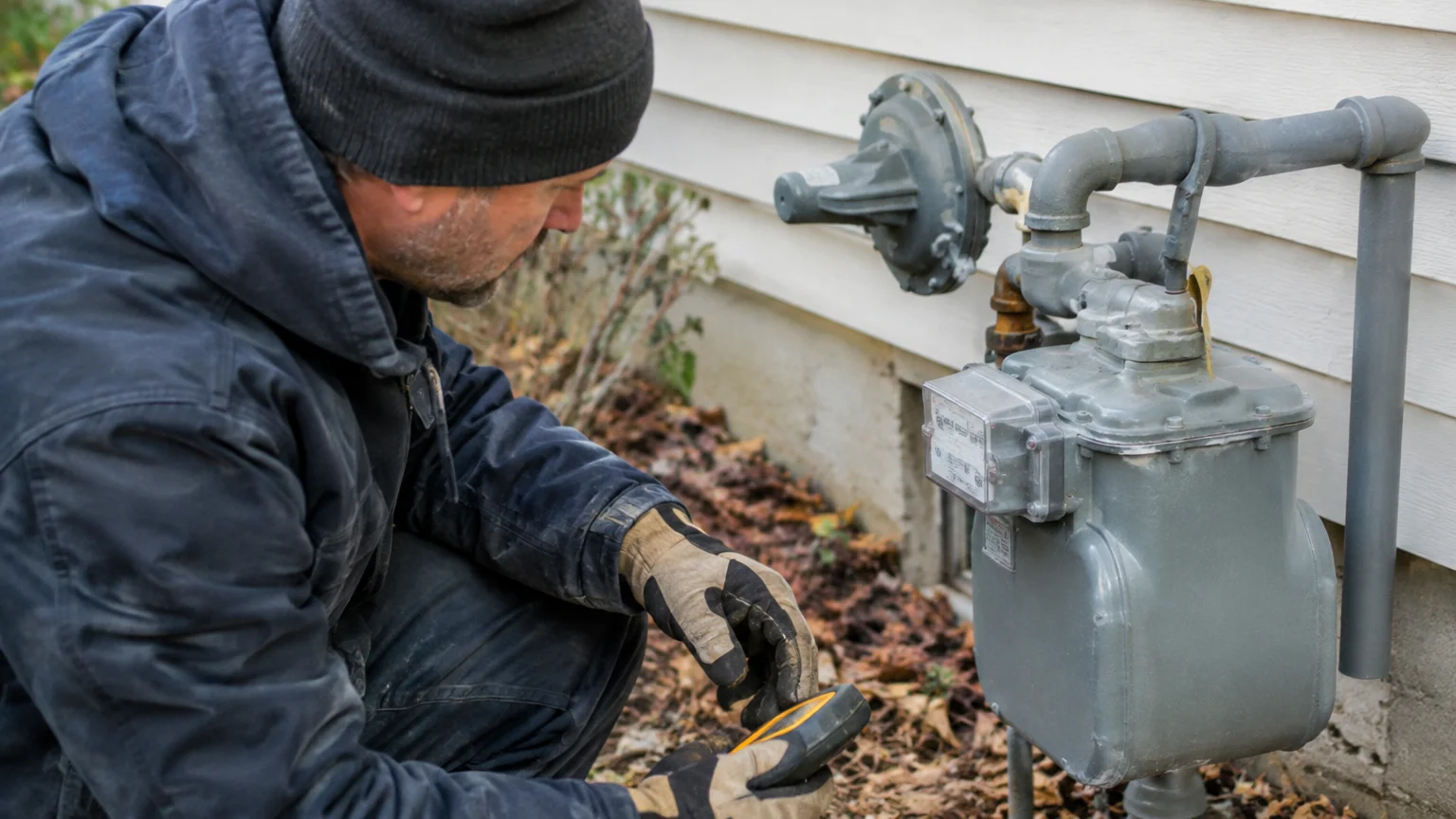
A burst pipe, fast-growing leak, water near electrical equipment, or toilet that keeps overflowing needs quick attention. A drain backup affecting several fixtures may also need urgent service. If a water heater leaks heavily or you smell strong gas, do not try to repair or restart it yourself.
A small drip into a bowl may be less urgent than water spreading across a room, but it still needs follow-up. Ask whether the water can be stopped safely and whether people, belongings, or the building remain at risk. Emergency Plumbing is for sudden leaks, clogs, and other urgent plumbing failures.
What details to share when requesting urgent service
Tell the service provider what happened, when it began, which fixtures are affected, and whether the water is shut off. Mention sewage, gas smells, electrical concerns, or water damage. Explain whether the problem is getting worse and whether anyone may be in danger.
Keep people away from the area and follow any safety advice you receive. Do not restart a water heater or use a fixture that is backing up. Temple Texas Plumbing serves Temple neighborhoods, including Downtown, Midtown, Canyon Creek, Western Hills, and Bird Creek. Local knowledge can help property owners understand what to do next during urgent plumbing trouble.
How can you reduce the risk of future plumbing emergencies?
Regular checks can help you find leaks, worn parts, and unsafe shutoff valves before they fail. Keep drains clear of items they are not made to carry, and act when a fixture changes. Property owners and tenants should also know how to report a leak quickly.
Routine checks for fixtures, pipes, and shutoff valves
Look under sinks, around toilets, and near the water heater for dampness or stains. Check visible hoses and connections for wear. Test shutoff valves with care, and do not force one that sticks or leaks. Keep the path to the main water shutoff clear, and make sure people in the home know where it is.
Use strainers to catch hair and food scraps, and keep grease and wipes out of drains. Fix a running toilet instead of letting it continue. Clean faucet aerators when water flow changes at one tap. These simple steps do not replace professional checks, but they can help you catch common problems early.
What property owners and tenants should document
Property owners can keep notes about repairs, repeat clogs, and appliance concerns. Tenants should report leaks, smells, and water damage to the landlord or property manager as soon as they notice them. Photos and notes can show when a problem began and whether it changed over time.
For homes and businesses across Temple, clear records can help the right person act sooner. Do not hide a stain or cover a damp area before the source is checked. Prevention works best when a small warning sign leads to a clear next step.
Frequently Asked Questions
What causes low water pressure in a house?
Low pressure can come from a partly closed valve, a clogged faucet aerator, a leak, or a water supply problem. Check whether one fixture or several are affected. If pressure changes suddenly across the home, or you see damp spots, arrange a professional check instead of guessing.
How can someone check for a gas leak?
Do not try to test a suspected gas leak yourself. If there is a strong gas smell, leave the building, avoid flames and switches, and call 911 or the gas utility from a safe place. Do not go back inside until emergency responders say it is safe.
What should someone do if a water heater is leaking from the bottom?
Keep away from hot water and wet electrical parts. If the water shutoff is easy to identify and safe to reach, turn it off without forcing it. Do not open the unit or try to patch the tank. Arrange prompt help to learn whether the leak comes from a connection or the heater itself.
How can someone fix a toilet that keeps running?
A toilet that keeps running may have a worn flapper, a float set too high, or another problem inside the tank. A homeowner can look inside if the lid lifts easily and the parts are clear. If water keeps running after a simple adjustment, stop and arrange toilet repair.
When is a blocked drain an emergency?
A blocked drain needs urgent attention when wastewater backs up into the home, several fixtures stop draining, or water threatens floors and belongings. Stop using affected fixtures and keep people away from wastewater. Do not add more chemical cleaner, especially when you do not know what product is already in the drain.
Key takeaways
- Stop water only when the shutoff is safe and easy to reach.
- Treat gas smells, sewage backups, and water near electricity as hazards.
- Avoid repeated chemical drain cleaner use and risky repair attempts.
- Watch for repeat clogs, damp spots, changing pressure, and running toilets.
- Seek qualified help when a problem is active, spreading, or beyond safe home checks.
Conclusion
Plumbing Mistakes often begin when someone ignores a warning sign or tries a risky repair without knowing the cause. Homeowners can check visible fixtures, clean simple parts, and use a plunger for an easy clog. Active leaks, burst pipes, sewage backups, gas smells, and unsafe water heater problems need a careful response.
For urgent plumbing trouble that needs professional attention, Contact us to reach Temple Texas Plumbing.
If you are not sure what you are dealing with, it is worth having someone look at it before it turns into a bigger job. Get in touch with Temple Texas Plumbing in Temple, Texas today and we will tell you where you stand.